
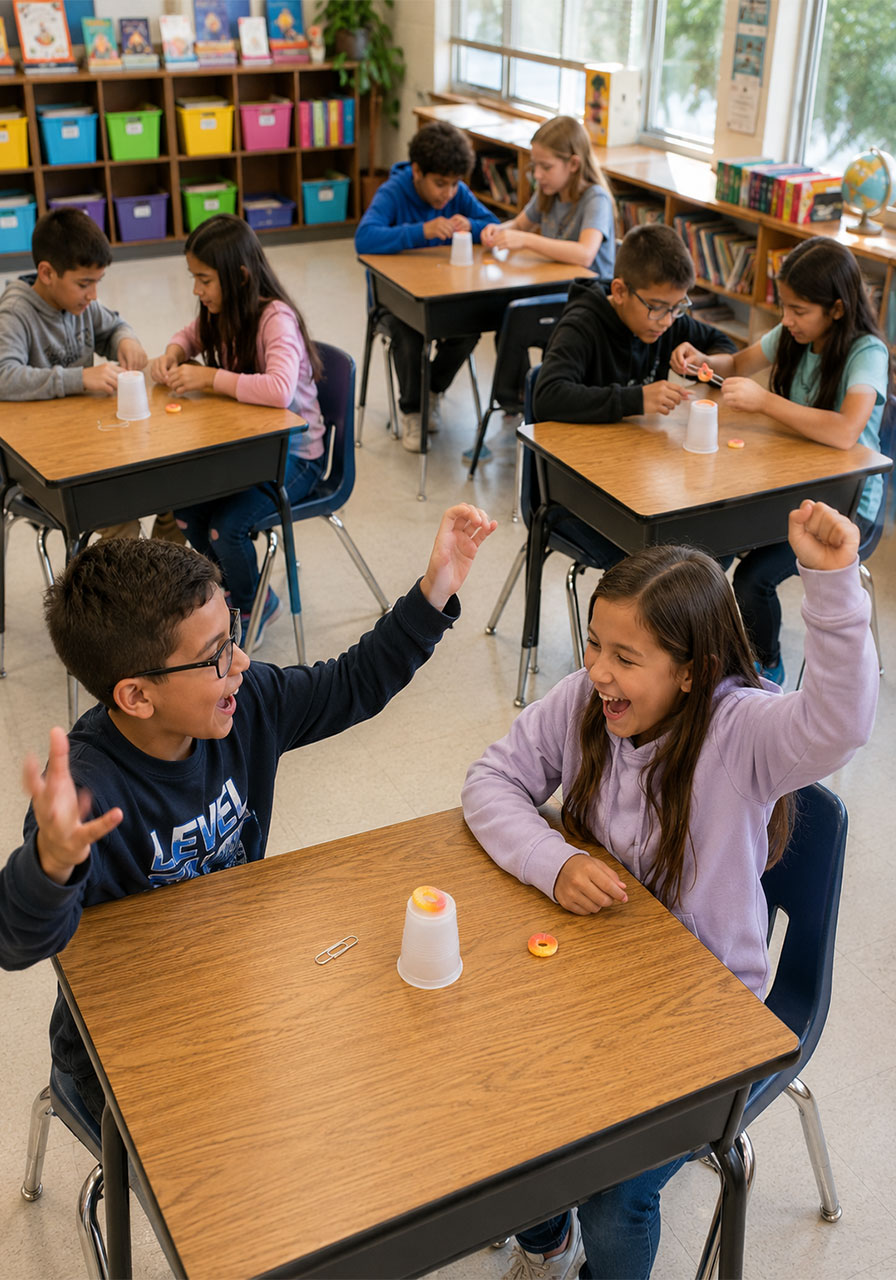
Picture this: 18 kids, dead silent, staring at a plastic cup like it holds the secrets of the universe.
That’s Save Fred day.
If you’ve been searching for a STEM activity that’s cheap, easy to prep, and actually gets kids working together instead of arguing over crayons, you just found your new favorite lesson. Save Fred is a simple rescue mission with a gummy worm, a peach ring, and a paper clip – and it turns into one of the most memorable days of the school year.
Here’s everything you need to run it like a pro, from your very first try.
What Is the Save Fred STEM Activity?
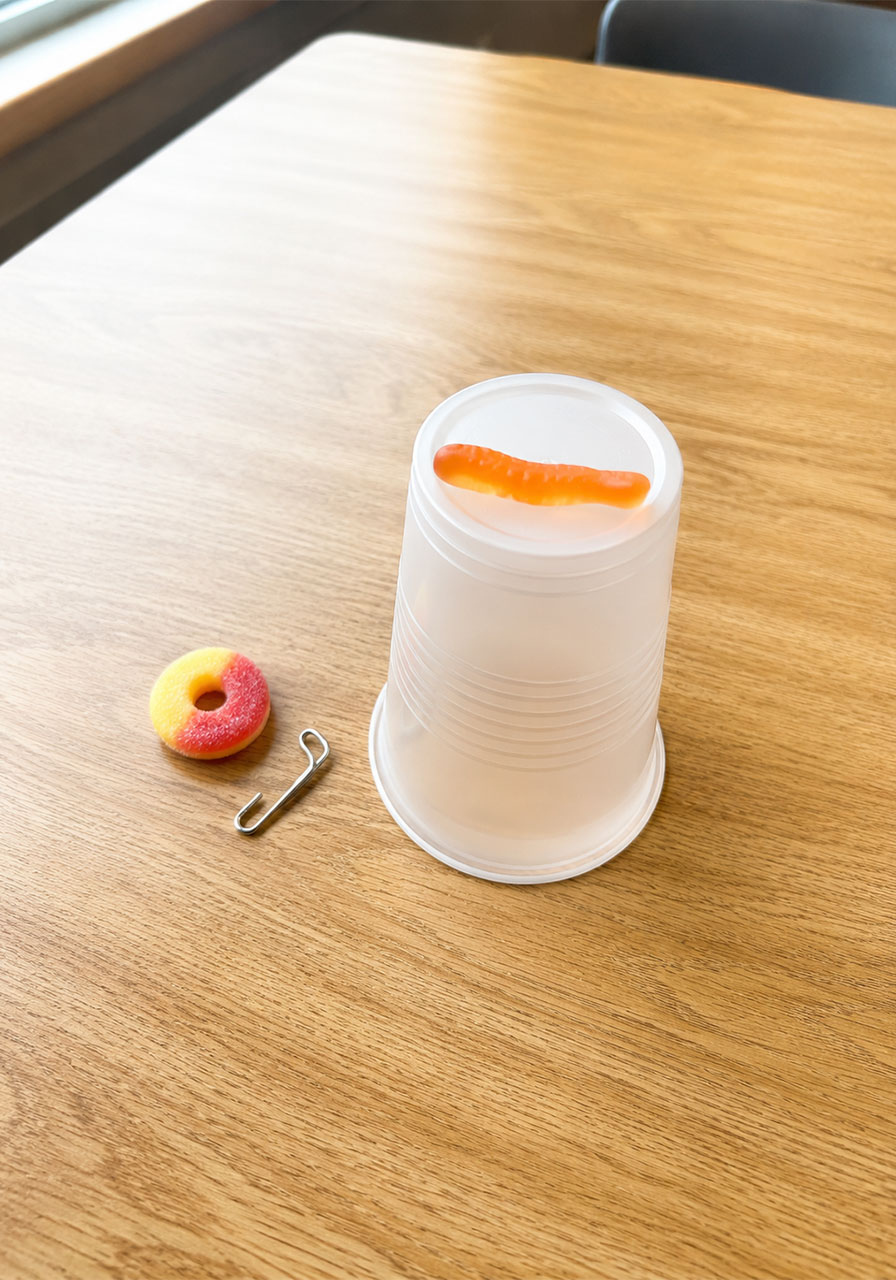
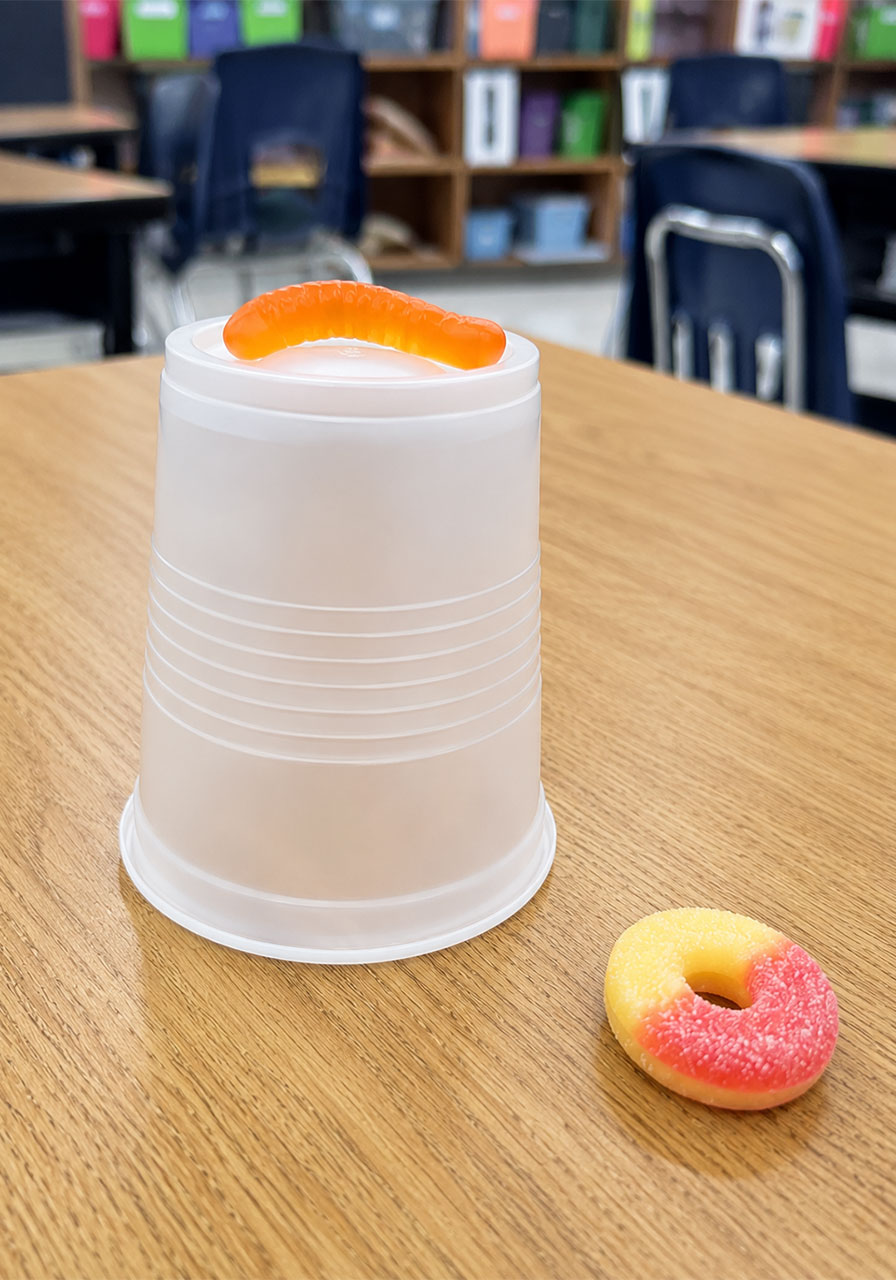
Fred is a gummy worm. He was floating peacefully on his boat (a plastic cup) when disaster struck: the boat flipped.
Now Fred needs his life preserver (a peach ring) to survive.
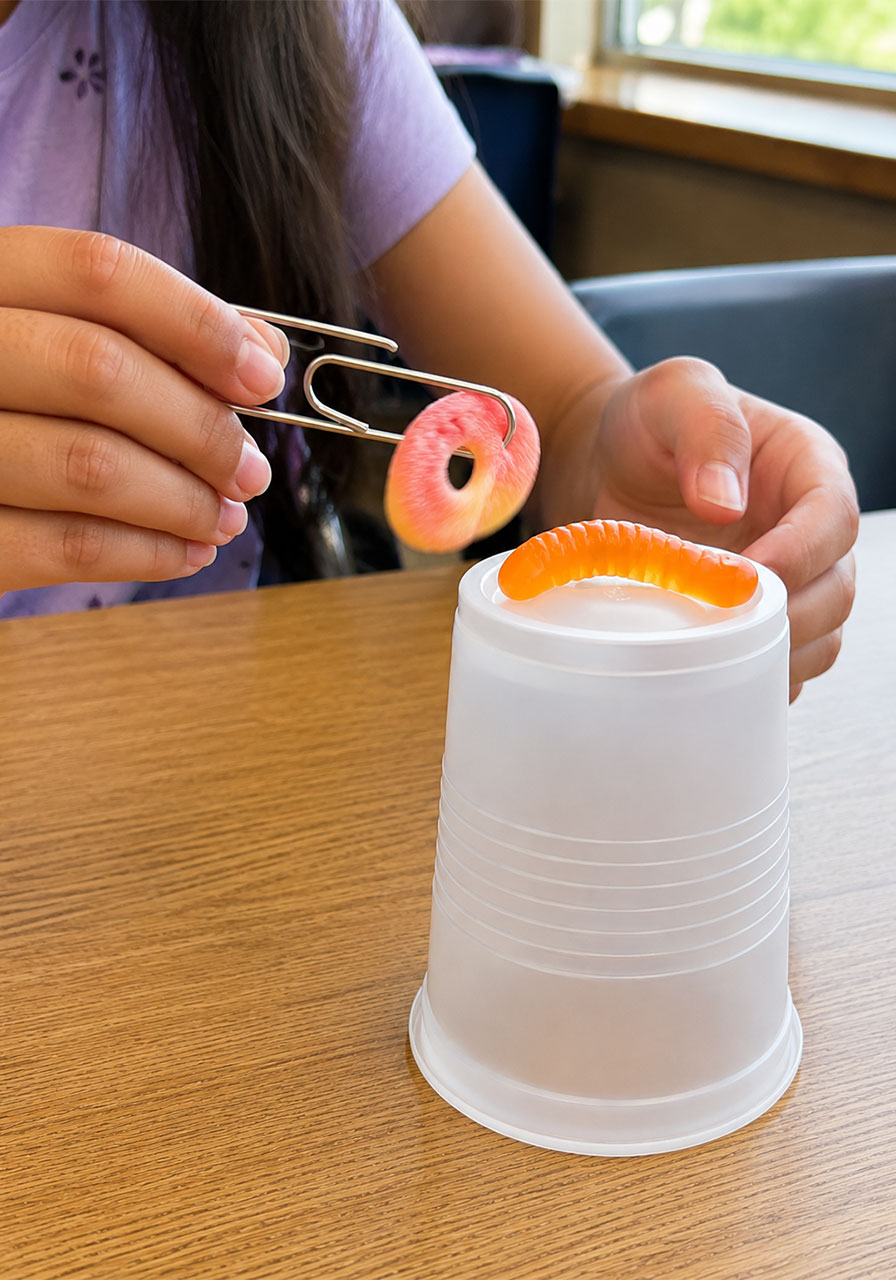
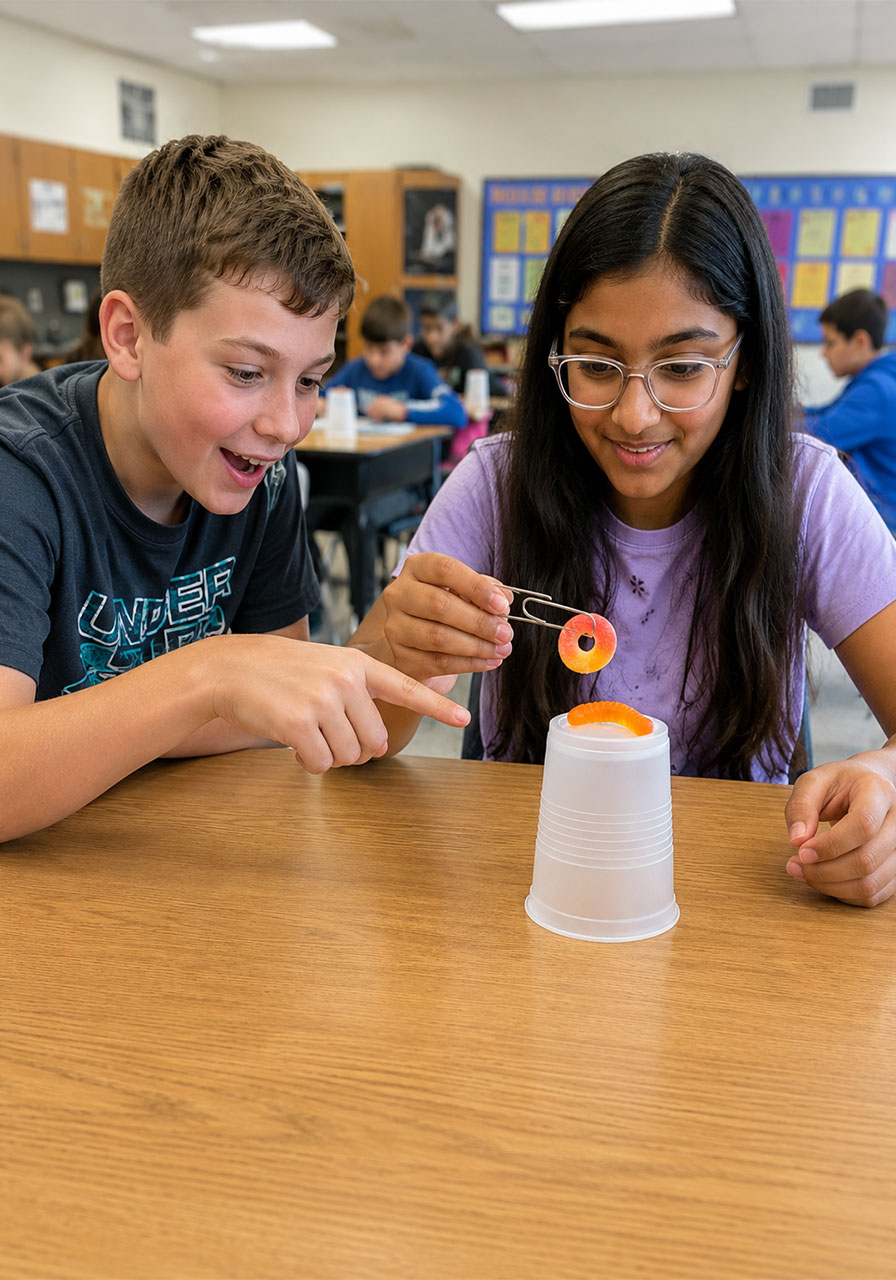
The catch? Students can only use one paper clip to get that life ring around Fred and back onto his boat. No fingers allowed. No touching Fred. No touching the boat.
It sounds silly. It is silly. That’s exactly why it works.
Underneath the giggles, kids are quietly practicing problem-solving, fine motor skills, patience, and teamwork – all while trying not to lose their gummy worm to gravity.
Why Teachers and Parents Love This Activity
This isn’t just a cute classroom game. It’s a genuinely useful tool for building skills kids need all year long.
It builds real teamwork. Partners have to talk through ideas, take turns, and problem-solve together instead of working alone.
It’s a stealth science lesson. You can walk students through the scientific method step-by-step: form a hypothesis, test it, adjust, and try again.
It works for any age. Third graders love it. Fifth graders love it. High schoolers love it. Even adults get weirdly competitive over it.
It’s budget-friendly. Every supply is available at the dollar store or on Amazon, and you likely already own most of it.
It’s a perfect first-day-of-school icebreaker. New class, new year, instant bonding – no awkward name games required.
Who This Activity Is Great For
Classroom-friendly: Works beautifully for elementary, middle school, and high school students.
Family-friendly: A fantastic rainy-day activity or homeschool project for parents looking to sneak in a science lesson disguised as candy time.
Team-building for grown-ups too: Yes, really. This activity works at staff meetings and team retreats. Adults get just as invested as kids do.
Save Fred Supply List
You only need a handful of items, and most of them do double duty as a snack afterward.
- Clear plastic cups (5 oz. size works best)
- 2 jumbo paper clips per student or pair
- Peach rings or lifesaver-style candy
- Gummy worms (Trolli Sour Brite Crawlers are a favorite)
For a class of around 18–20 students, one bag of cups, two bags of peach rings, and one bag of gummy worms will comfortably cover everyone.
Pro Tip: Buy a few extra gummy worms. Trust us. Some will “accidentally” go missing before the activity even starts.
How to Play Save Fred: Step-by-Step Instructions
Best for: STEM lessons, team building, back-to-school icebreakers.
Time to Play: 15–25 minutes.
Group Size: Pairs or small groups of 2–3.
Here’s exactly how to run the activity from start to finish.
1. Set the scene.
Tell your students the story: Fred was enjoying a peaceful day on the lake when his boat suddenly flipped over. Now he desperately needs his life preserver to stay safe.
2. Pass out supplies.
Give each student or pair a plastic cup, a paper clip, a gummy worm, and a peach ring. Ask them not to touch anything yet – the anticipation makes the reveal even more fun.
3. Explain the twist.
Let students know they can only use the paper clip to complete the challenge. No fingers touching Fred, the boat, or the life ring at any point.
4. State the mission.
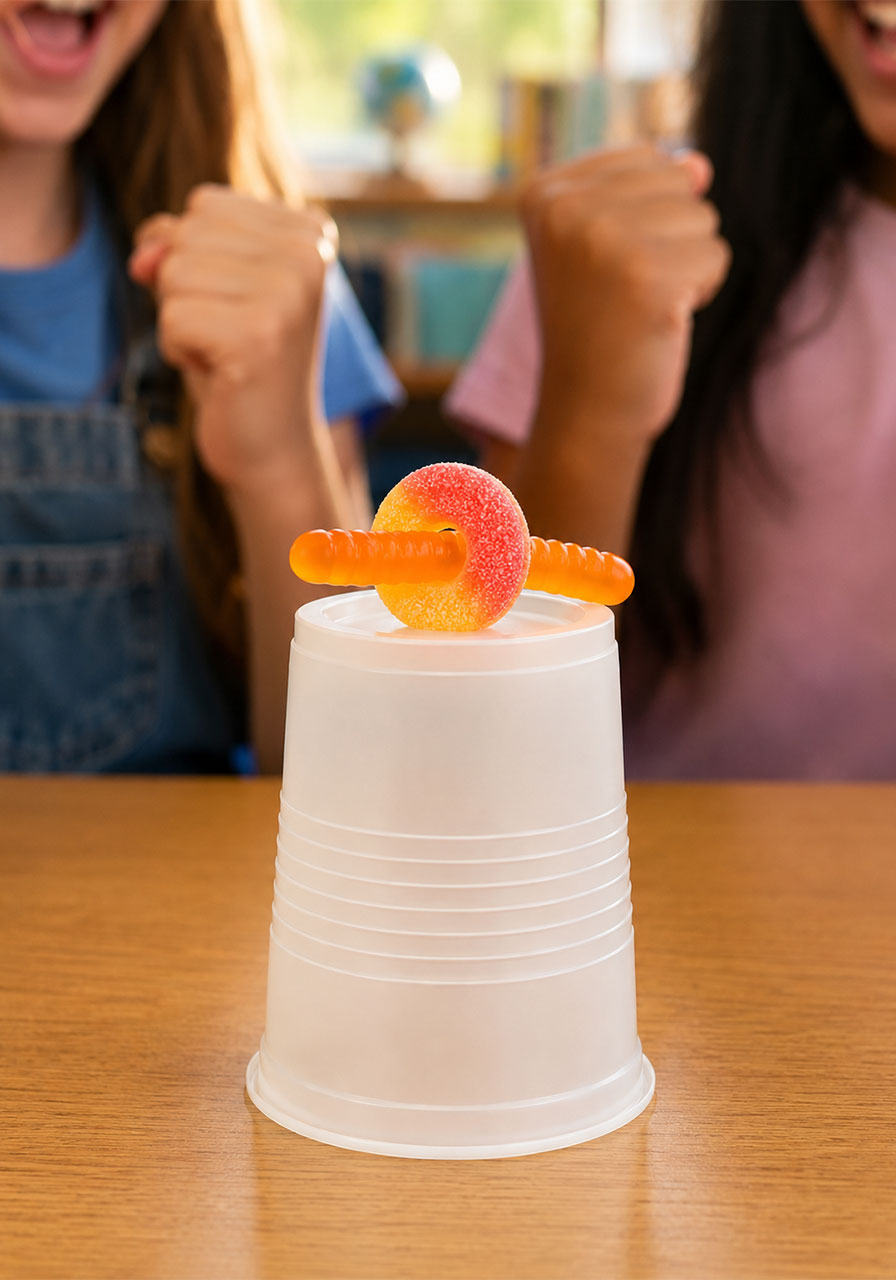
The goal is simple: get the peach ring around the gummy worm using only the paper clip, then set both safely back on top of the overturned cup.
5. Set your expectations clearly.
Before anyone touches a single supply, explain the rules in detail so there’s no confusion once the challenge begins.
6. Let them work.
Give students time to experiment, fail, laugh, and try again. Encourage teams to talk through their ideas out loud.
7. Celebrate the rescue.
Once Fred is safely back on his boat wearing his life preserver, celebrate the win! Then let students enjoy their gummy worm and peach ring as a well-earned treat.
Pro Tips for Running Save Fred Successfully
Bend the paper clip into a small hook shape ahead of time if you want to give younger students a slight head start.
Circulate the room while students work. Some of the best learning moments happen when you ask a stuck team, “What have you tried so far?”
Set a timer if you have a large class. A gentle time limit adds excitement without adding stress.
If a gummy worm takes a tumble onto the floor, keep a few backups on hand so the activity doesn’t grind to a halt.
Turn It Into a Full Science Lesson
Save Fred isn’t just a fun five minutes – it can anchor an entire science lesson.
Walk students through each stage of the scientific method as they play. Have them predict how they’ll solve the puzzle before they start (hypothesis). Let them test their idea. If it doesn’t work, have them adjust their approach and try again (that’s the beauty of trial and error).
Afterward, hand out a simple graphic organizer so students can reflect on what worked, what didn’t, and how their team communicated. Ask questions like:
- What was the hardest part of the challenge?
- What would you do differently next time?
- How did your team decide on a plan?
These reflection questions do double duty. They reinforce the lesson, and they show your students that you genuinely care about how they think and feel – which builds trust fast, especially early in the school year.
Frequently Asked Questions About Save Fred
What grade levels does this work for?
Save Fred has been successfully used in 3rd, 4th, and 5th grade classrooms, and it works just as well with middle schoolers, high schoolers, and even adult teams.
Do I need any special equipment?
No. Every supply is available at a dollar store or on Amazon, and there’s no prep beyond bagging up the candy and cups.
Can this work as a homeschool activity?
Absolutely. It’s an easy, low-mess way to teach the scientific method and problem-solving at home, and kids get a sweet treat at the end.
How long does the activity take?
Most groups finish in 15 to 25 minutes, which makes it easy to fit into a single class period alongside a discussion or graphic organizer.
Is this a good first-day-of-school activity?
Yes. It’s low-stakes, high-fun, and gets students talking and working together right away, which makes it one of the best icebreakers for a new class.
Ready to Save Fred?
Save Fred proves that some of the best learning happens when kids don’t even realize they’re learning. One paper clip, one gummy worm, and a little teamwork is all it takes to turn an ordinary class period into a day your students will talk about for weeks.
Grab your supplies, set the scene, and let the rescue mission begin.
