
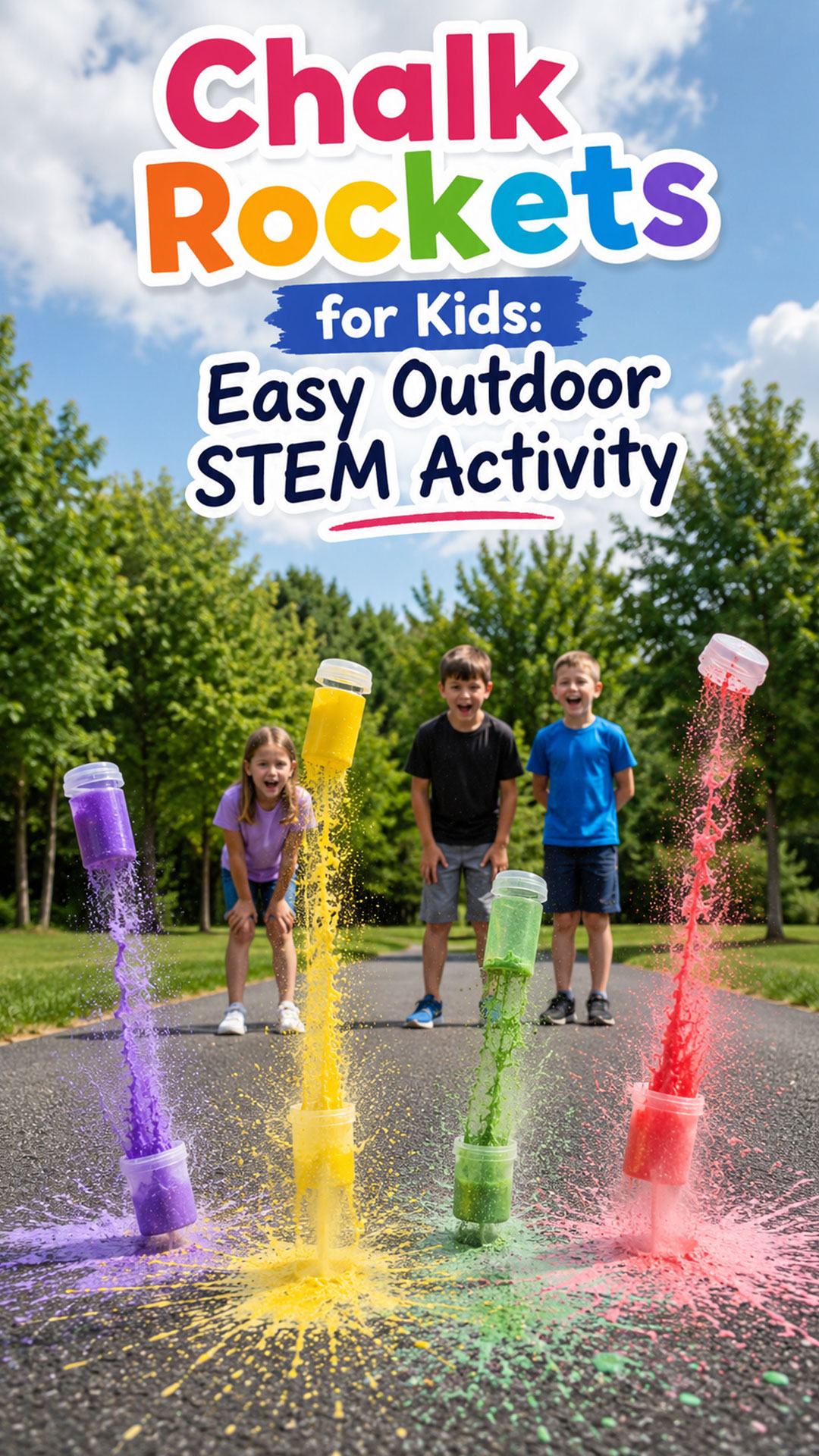
Picture this: a group of kids counting down together outside. Everyone takes a few steps back. For a second, nothing happens.
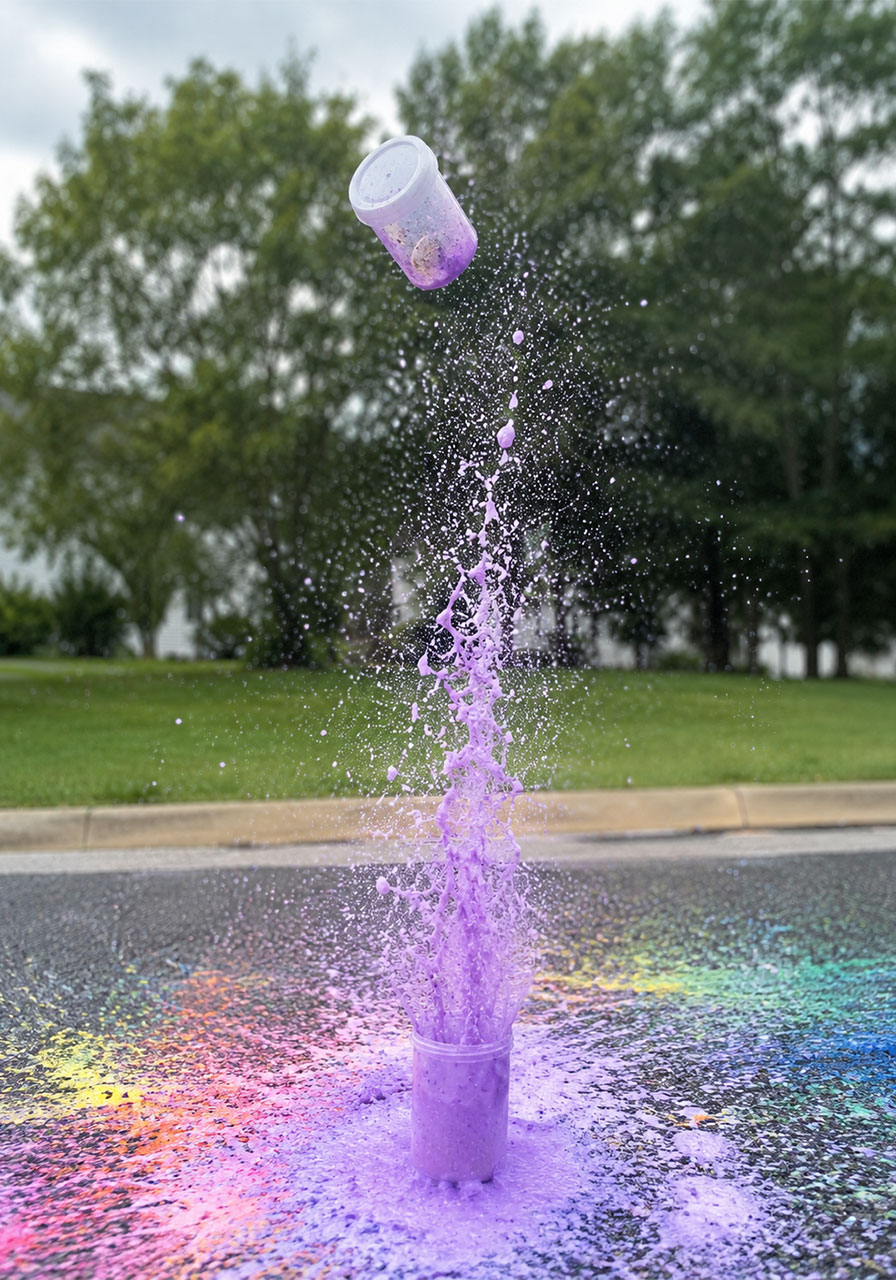
Then suddenly, a rocket made from a film canister pops into the air and bursts into a cloud of colorful chalk. The kids cheer, race to check the splatter pattern, and immediately want to launch another one.
That reaction is exactly why chalk rockets are one of the best outdoor STEM activities for kids. They combine a real chemical reaction with color, movement, and a payoff that never gets old, even after the tenth launch.
This guide walks through exactly how to make chalk rockets, the science behind why they work, and practical tips so your launches are colorful and successful every time.
Why This Activity Works So Well for Teachers and Parents
Chalk rockets check a lot of boxes at once. They are hands-on, they are outdoors, and they involve a real chemical reaction kids can see and predict.
They also require very little setup time and very few materials, which matters if you are planning a classroom science lesson, a summer camp activity, or a backyard afternoon with your own kids.
Because each rocket takes only a minute or two to prep and launch, this activity scales easily. One canister works for a quiet moment with one child. A dozen canisters work for a full classroom or a birthday party crowd.
The Science Behind Chalk Rockets
Chalk rockets are a simple demonstration of a chemical reaction between an acid and a base.
Alka-Seltzer tablets contain citric acid and baking soda (sodium bicarbonate). When the tablet touches the water in the chalk mixture, those two ingredients react and produce carbon dioxide gas.
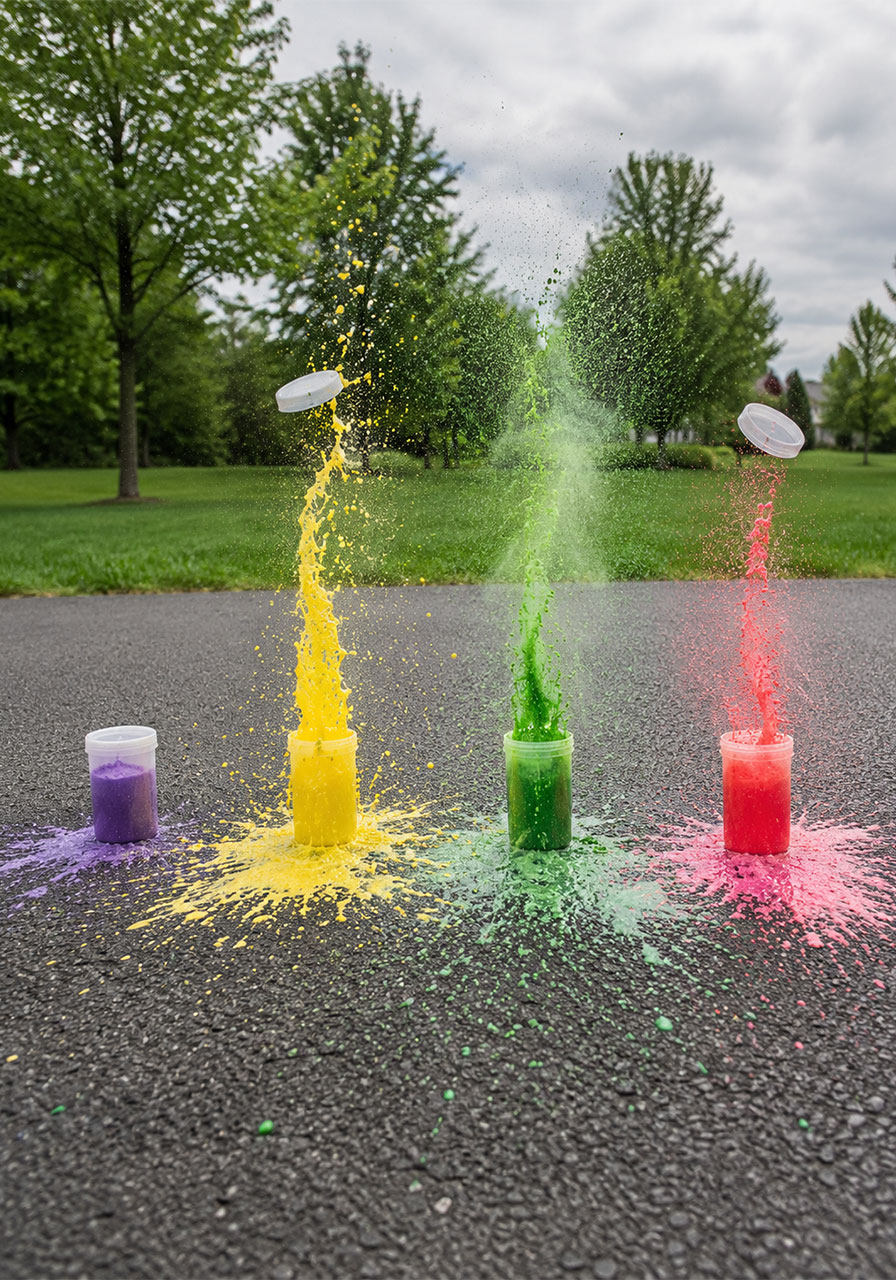
That gas has nowhere to go inside the sealed canister. Pressure builds quickly until the lid can no longer hold it in, and the lid pops off with enough force to send the colorful chalk mixture shooting into the air.
This is a great moment to introduce vocabulary like chemical reaction, gas, and pressure, even with younger kids. You do not need a formal lesson plan. A quick, simple explanation right before the countdown is enough to turn play into learning.
What You Need
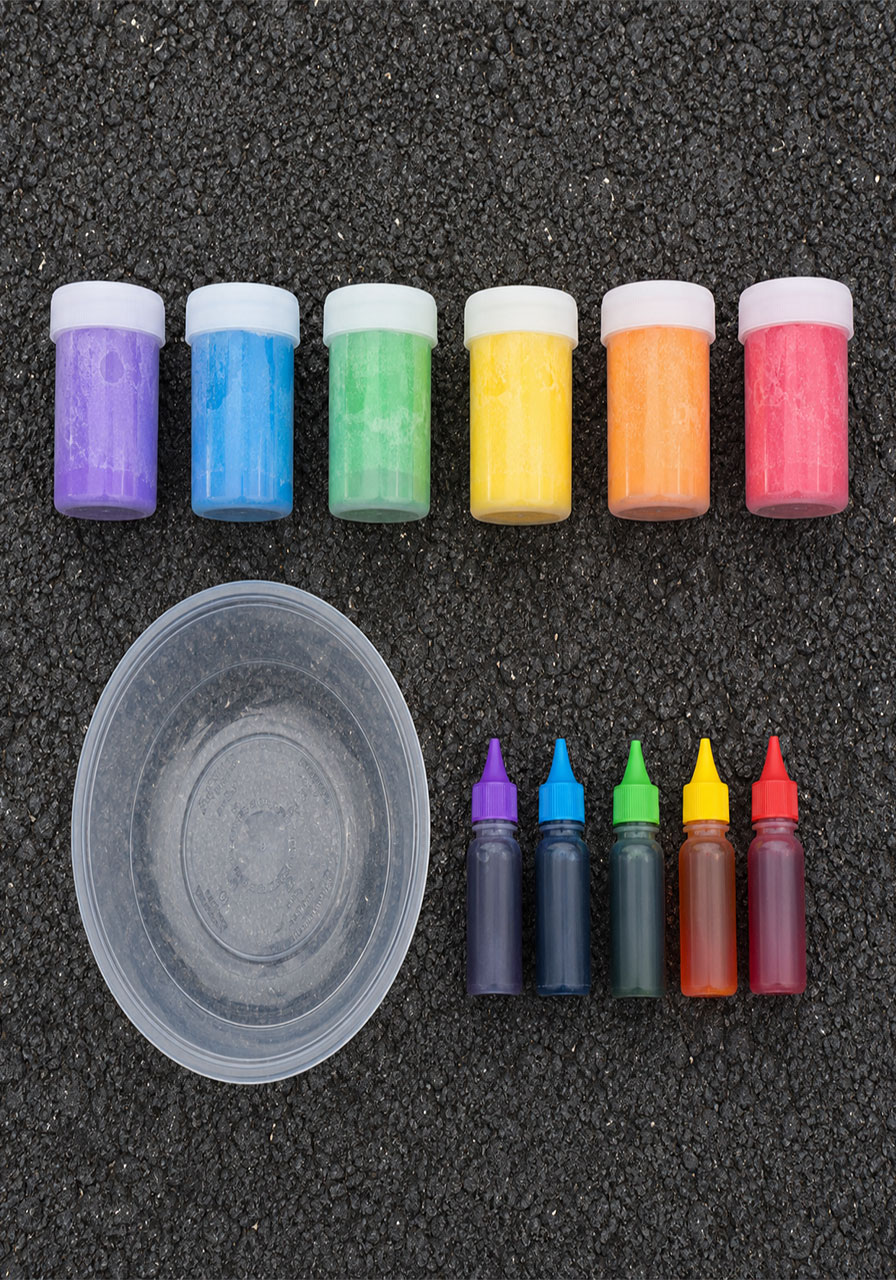
The full material list is short and easy to find at any grocery store.
- Cornstarch
- Water
- Food coloring
- Empty film canisters (the kind with a snap-on lid)
- Alka-Seltzer tablets
Film canisters can be harder to find than they used to be. Craft stores, photography shops, and online retailers still carry them, and many families save them once they know this activity exists.
Step 1: Make the Chalk Mixture
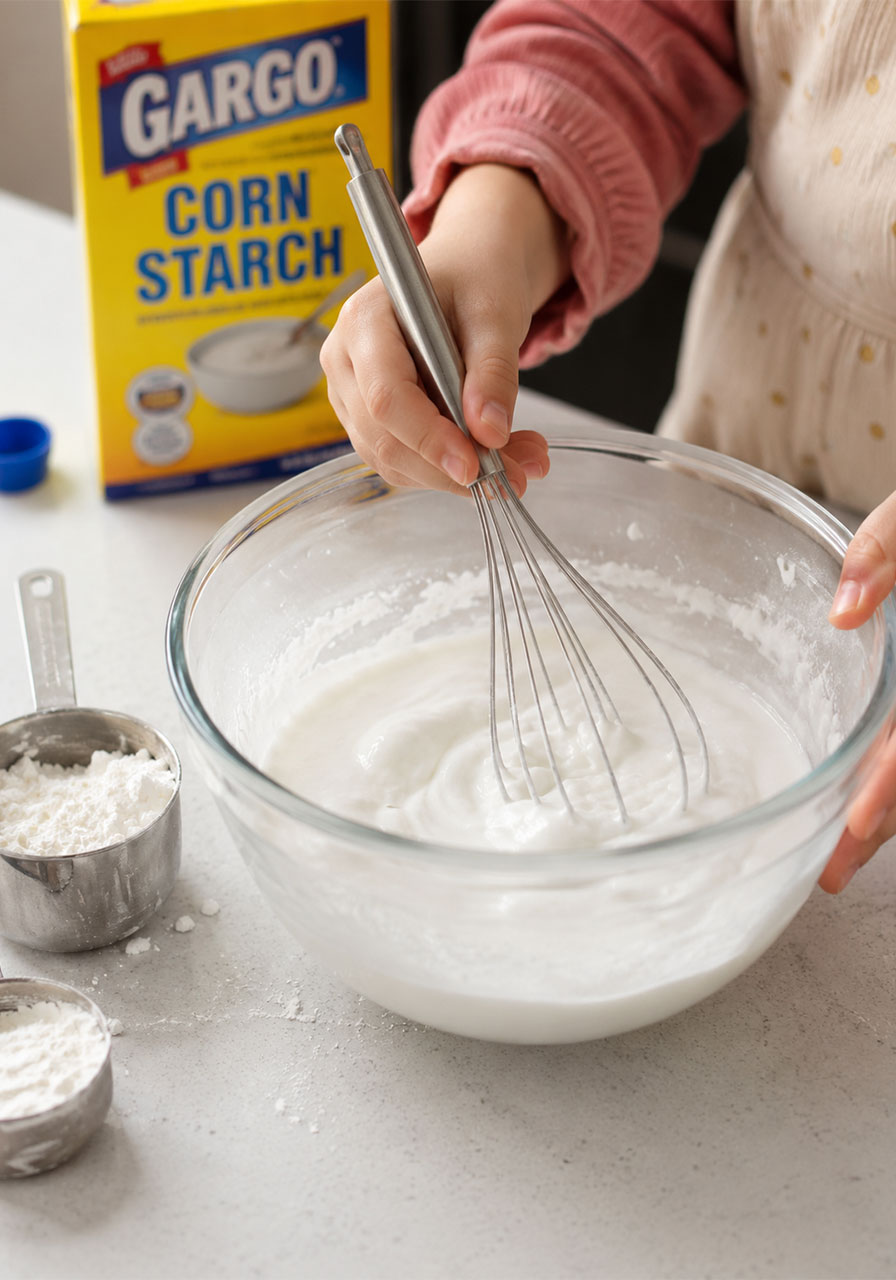
In a bowl, mix equal parts cornstarch and water until the mixture is smooth.
This becomes the liquid chalk base for every rocket. The consistency should be thick but still pourable, similar to a thin pancake batter.
If you are working with a group, mixing a large batch ahead of time saves setup steps once the kids arrive.
Step 2: Fill the Canisters
Pour the chalk mixture into each canister, filling it about one third of the way full.
This is a good moment to experiment. Try filling one canister less full and another one more full, then compare how each launch behaves. Less mixture tends to launch higher. More mixture creates a bigger splatter on the ground.
Step 3: Add Color
Add a few drops of food coloring to each canister and stir to combine.
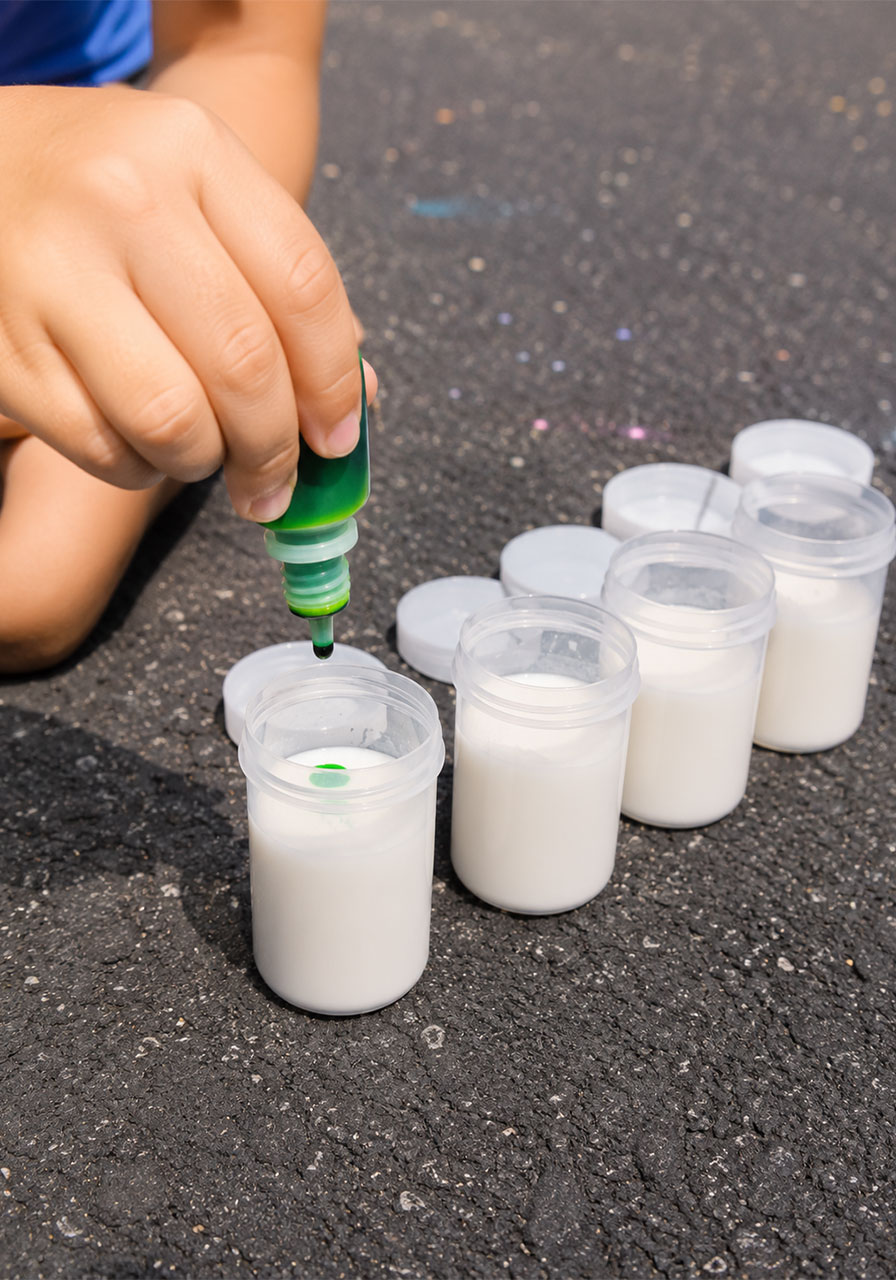
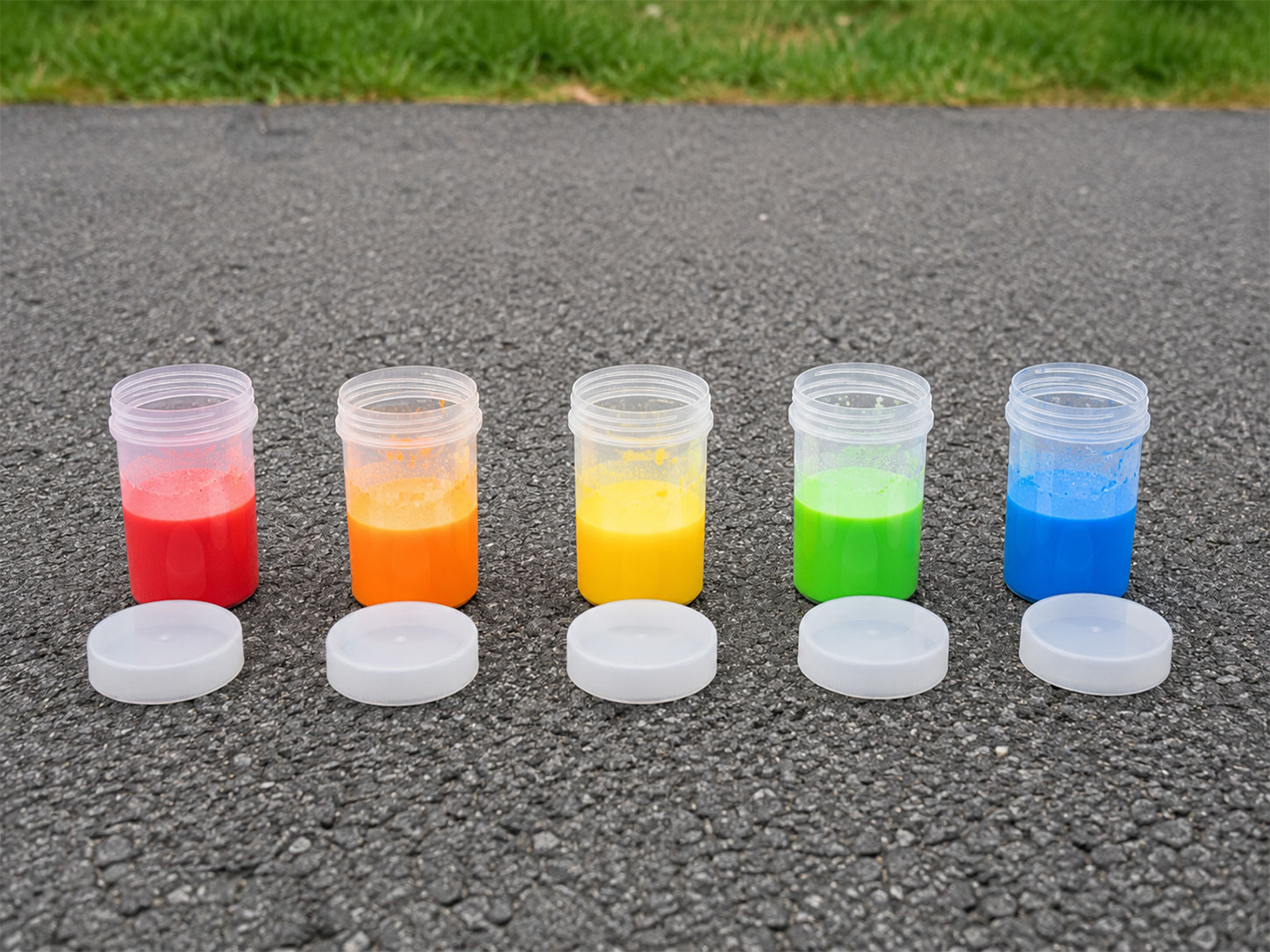
Give each canister its own color. When several rockets launch across the same section of pavement, the overlapping colors create an unplanned piece of art that kids love looking at afterward.
Once every canister is filled and colored, you are ready for the part everyone has been waiting for.
Step 4: Launch the Rocket
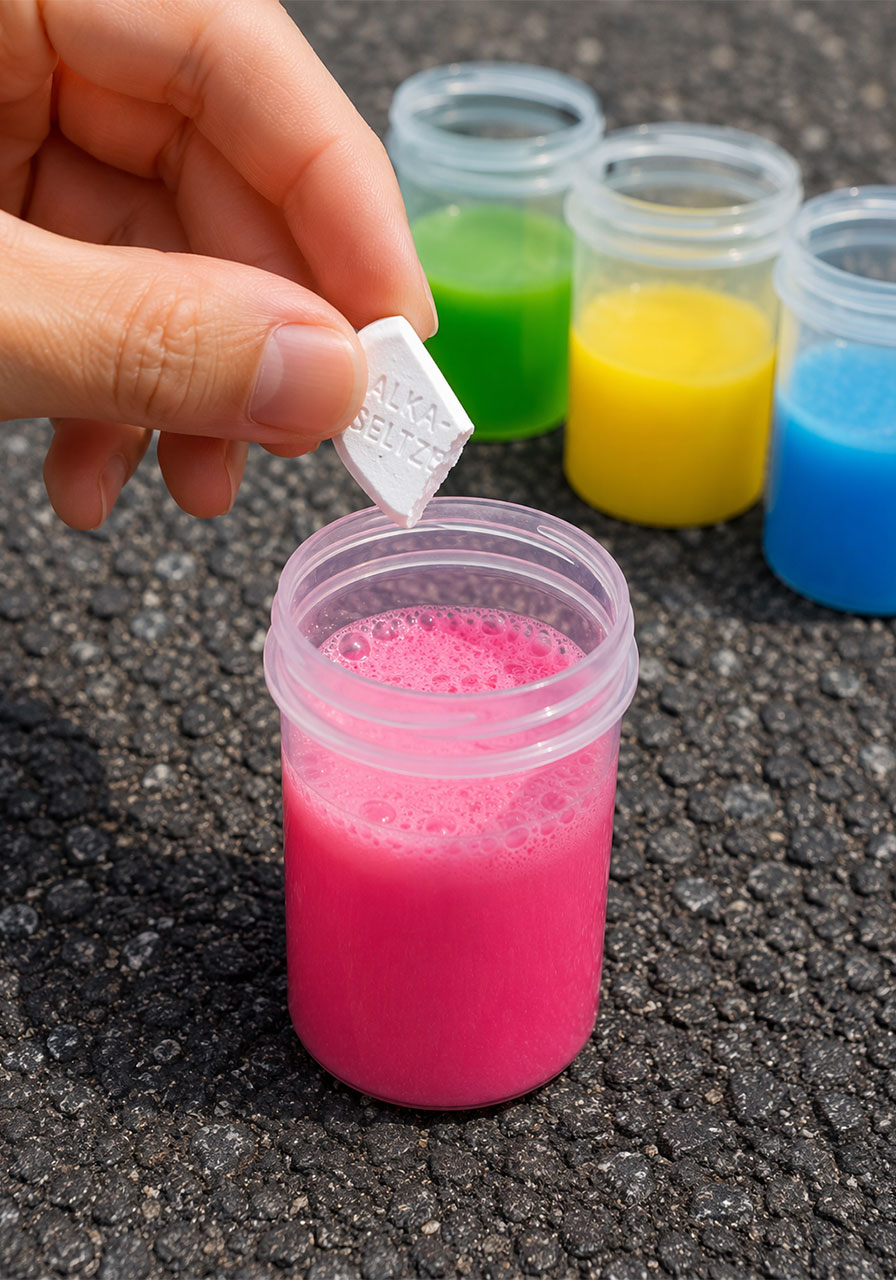
Break one Alka-Seltzer tablet into three or four smaller pieces.
Drop the pieces into the canister, snap the lid on quickly, and set the canister down on the pavement.
Step back right away. The reaction moves fast, and within seconds the pressure builds enough to pop the lid and send the colorful mixture shooting upward.
Safety Notes for Teachers and Parents
This activity is low risk, but a few simple rules keep it safe and smooth.
Always launch on a hard outdoor surface like a driveway or sidewalk, never indoors or on grass where the reaction cannot be seen or cleaned up.
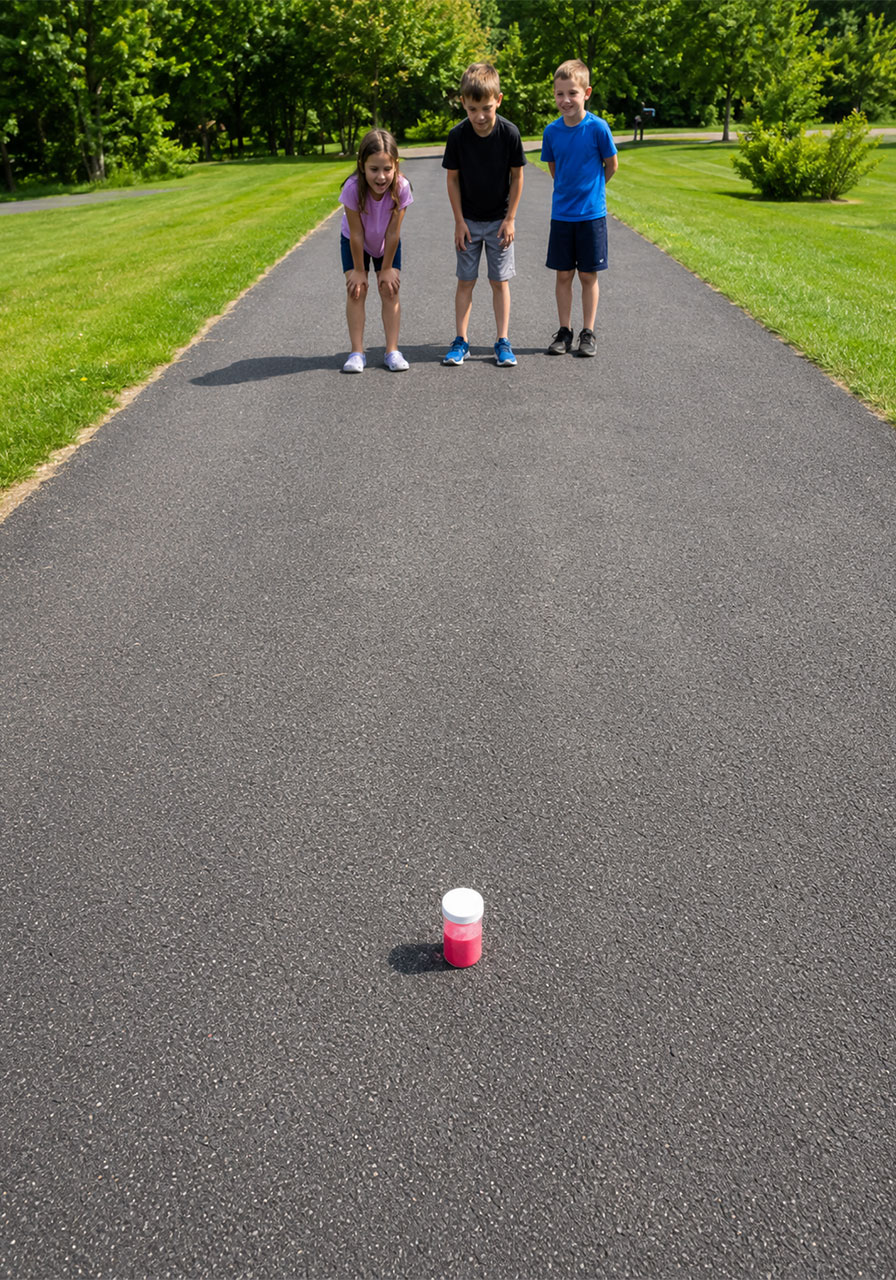
Have kids step back several feet before the lid pops. The launch itself is not dangerous, but the surprise factor means kids should not be leaning directly over the canister.
Adults should handle breaking and adding the Alka-Seltzer tablets for younger children, since the reaction starts the moment the tablet touches the liquid.
Keep one rocket launching at a time. This is safer, and it also means every child gets a clear turn to watch the countdown and the pop.
What to Expect During Launch
No two launches look exactly the same, which is part of what makes this activity so engaging for repeat play.
Some rockets shoot several feet into the air before bursting. Others pop lower and spread the color out in a wider circle on the ground. The amount of mixture, the size of the tablet pieces, and even the temperature outside can all change the result.
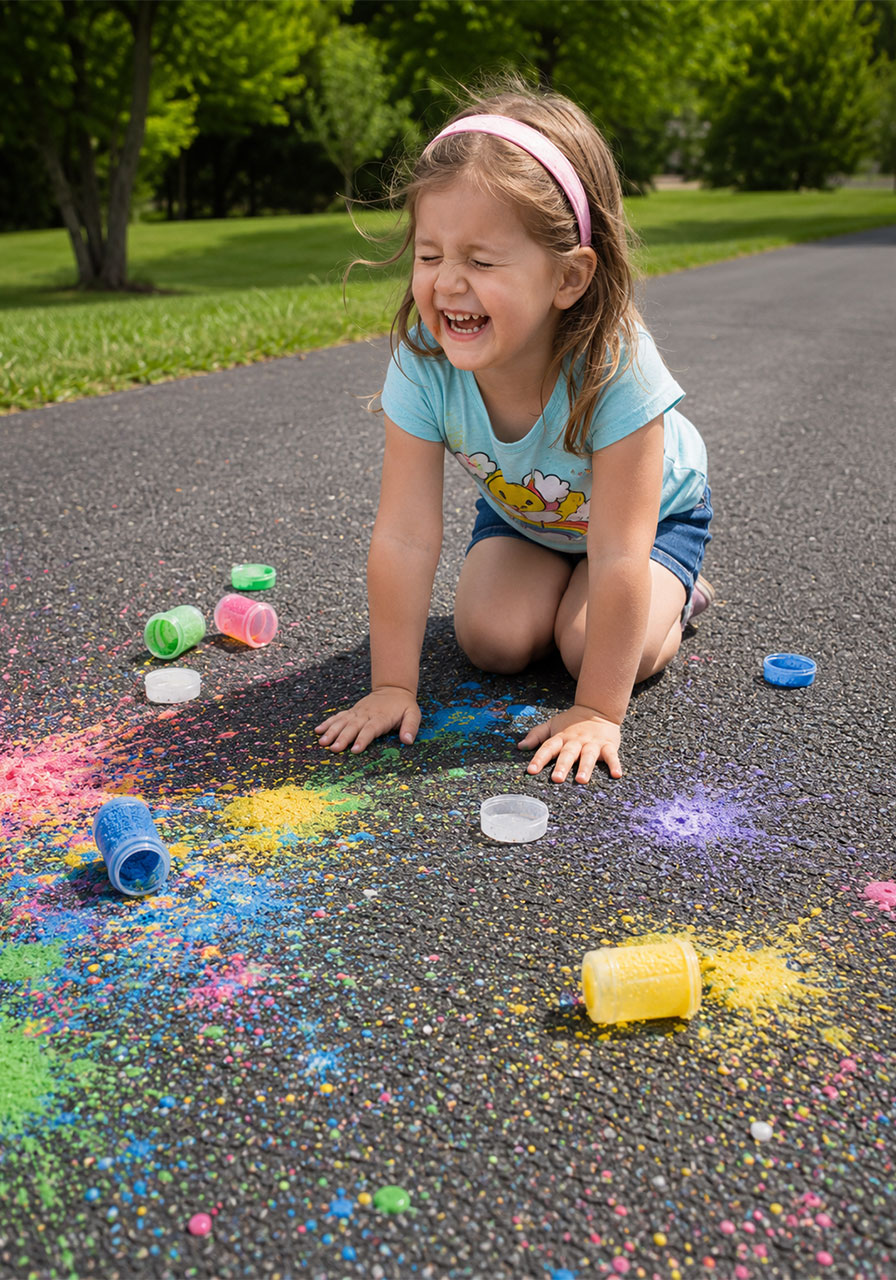
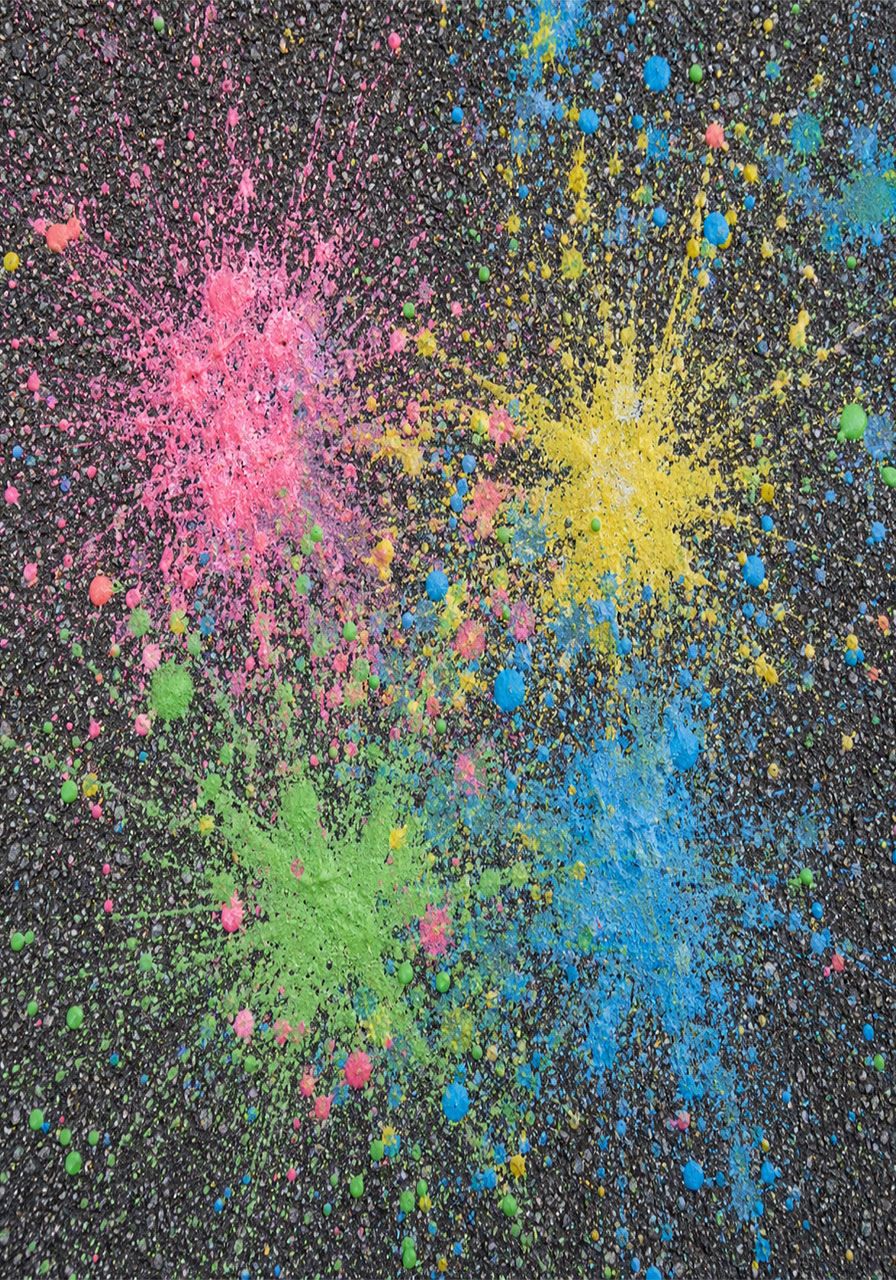
After several launches on the same patch of pavement, the colors start layering into an abstract splatter pattern. Many families and classrooms place a large sheet of poster board on the ground first, so the finished artwork can be lifted, dried, and displayed afterward.
Why Kids Keep Coming Back to This Activity
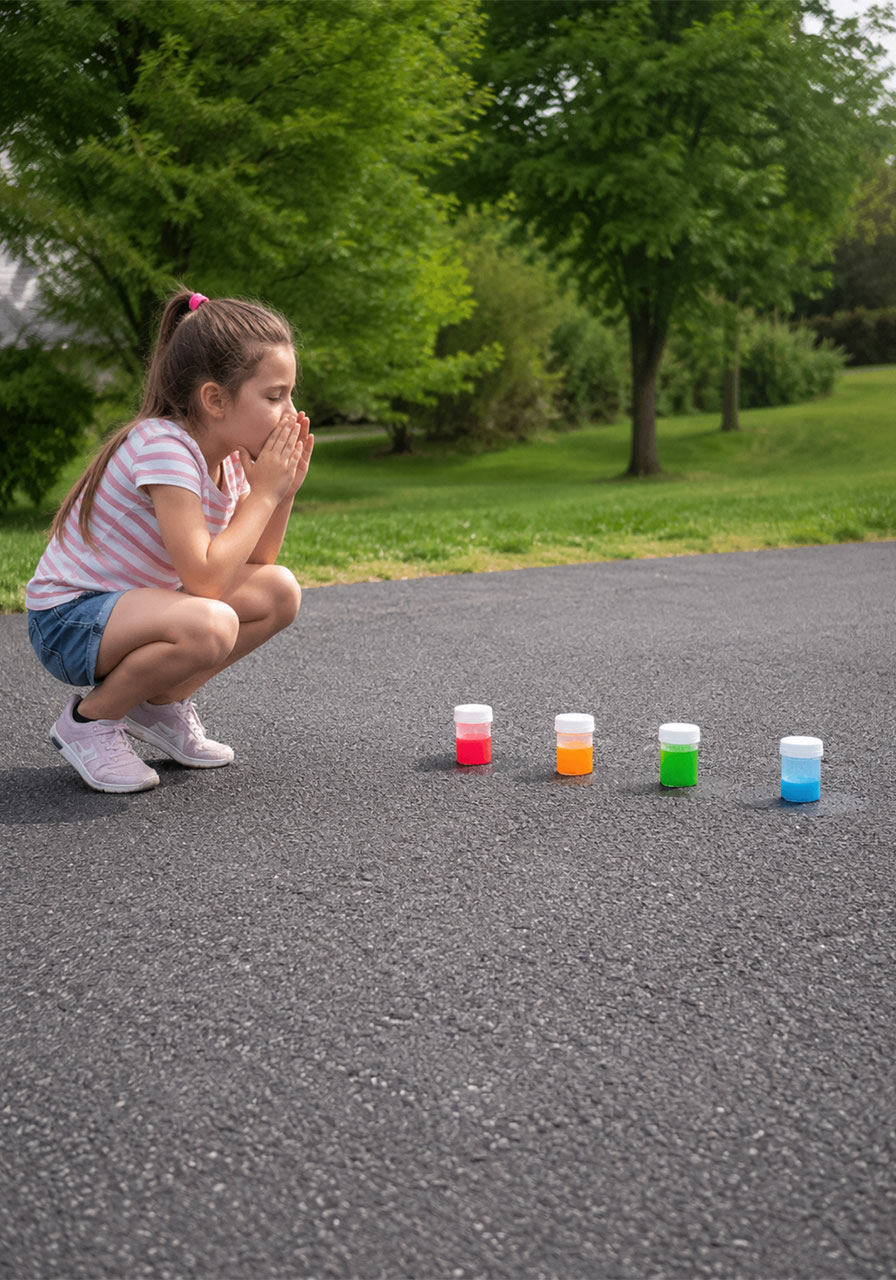
The unpredictability is the whole appeal. Kids never know exactly how high a rocket will go or how the color will splatter, so every launch feels new.
Before long, kids start making their own predictions. They will guess which color will launch highest, or how a fuller canister will behave compared to one with less mixture. That kind of natural hypothesis-and-test thinking is exactly the mindset STEM
activities are meant to build.
Tips for the Best Results
Launch one rocket at a time so every child gets to see the countdown and the pop without distraction.
Work quickly once the tablet goes into the canister. The faster the lid goes on, the stronger the eventual launch.
Dress kids in clothes that can get messy. The colored chalk mixture washes off pavement easily, but it can stain fabric.
Experiment with different amounts of chalk mixture in each canister to compare launch height and splatter size.
Ways to Extend the Learning
If you want to stretch this activity into a longer lesson or a longer afternoon, a few simple additions work well.
Have kids predict which rocket will launch highest before each countdown, then compare their guesses to what actually happens.
Try different ratios of cornstarch to water in a few test canisters and see whether a thicker or thinner mixture changes the launch.
Use a stopwatch to time how many seconds pass between adding the tablet and the lid popping, then compare times across different canisters.
Launch several rockets onto the same section of pavement or poster board to build a full collaborative piece of chalk art by the end of the activity.
Frequently Asked Questions
Can this activity be done indoors?
No. The chalk mixture and the launch itself should always happen outdoors on a hard surface that can be hosed off or left to wash away in the rain.
What age group is this best for?
Chalk rockets work well for preschool through elementary age. Younger kids should have an adult handle the Alka-Seltzer step, while older kids can manage most of the process themselves with supervision.
How long does the chalk mixture last once made?
It is best used the same day. The cornstarch and water mixture can separate or dry out if it sits too long before use.
Is this messy?
Yes, in the best way. The chalk mixture washes off skin and pavement easily with water, but it is a good idea to have kids wear play clothes.
Final Thoughts
Chalk rockets take an ordinary afternoon outside and turn it into something kids will keep asking to do again. There is a countdown before every launch, a burst of color and laughter after every pop, and just enough unpredictability to keep everyone coming back for one more rocket.
For teachers, it is a low-prep way to bring a real chemical reaction into an outdoor lesson. For parents, it is a simple, inexpensive way to fill an afternoon with genuine excitement and a little bit of science along the way.
