
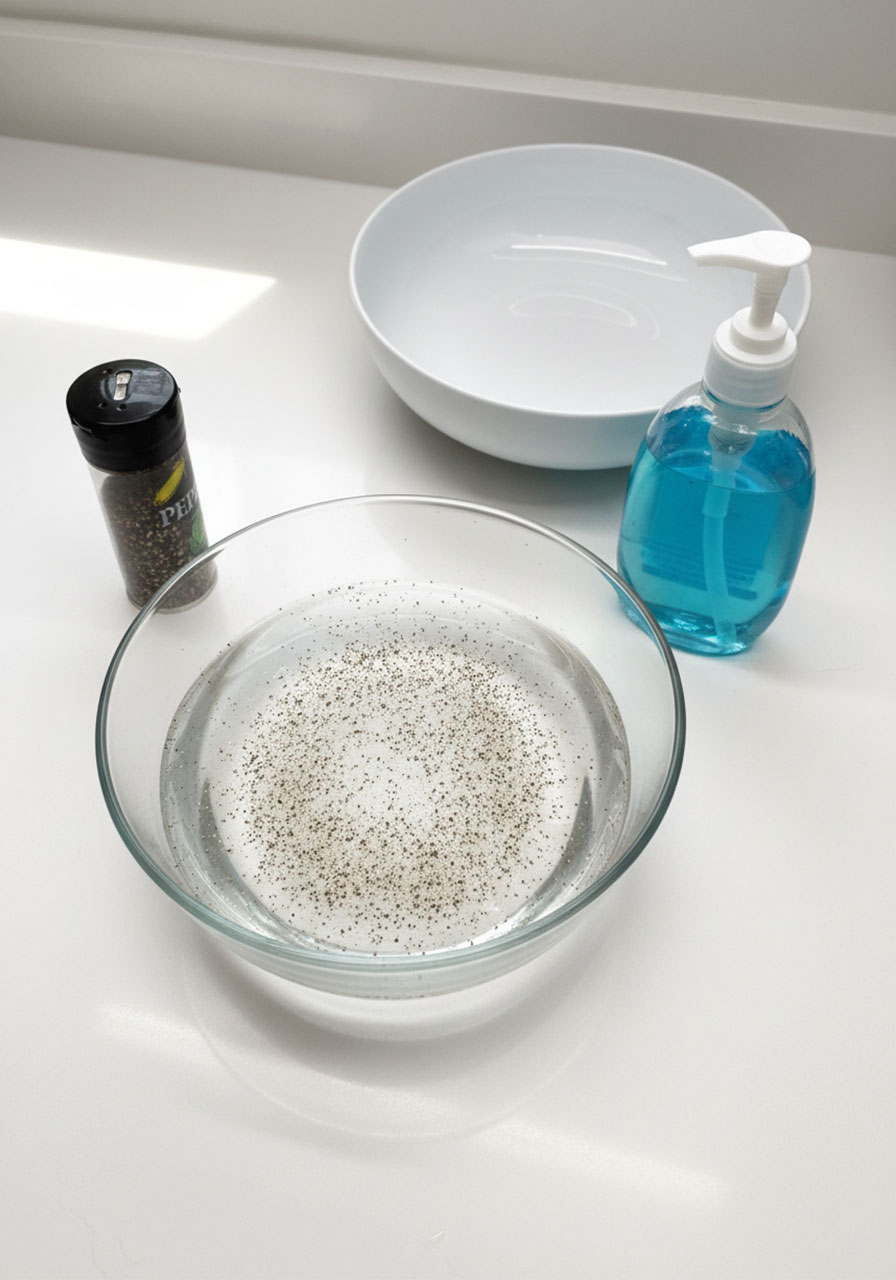
Want to know the secret to getting your kids excited about handwashing? Show them germs running away in real-time.
If you’ve ever watched your child give their hands a quick splash under the faucet and call it “washing”, you’re not alone. Most kids rush through handwashing like they’re being timed for a speed record – and soap? That’s optional in their world.
But here’s the thing: you can’t just tell kids that soap matters. You have to show them. And that’s exactly what this ridiculously simple soap and pepper experiment does. In less than 5 minutes, your kids will watch “germs” scatter away from soap like it’s their worst nightmare. It’s visual, it’s dramatic, and it actually works to change their handwashing habits.
Best for: Toddlers, preschoolers, and early elementary kids
Time to Complete: 5 minutes (but they’ll want to repeat it 10 times)
Learning Value: STEM, hygiene habits, surface tension, why soap is a germ-fighting superhero
What You’ll Need for This Experiment
Head to your kitchen – you already have everything:
- Water (tap water works perfectly)
- A shallow bowl or dish (a pie plate or baking dish is ideal)
- Black pepper (this is your stand-in for germs)
- Liquid soap (dish soap or hand soap both work great)
That’s it. No special science supplies, no trips to the store, no complicated setup.
How to Do the Soap and Pepper Experiment
This is one of those experiments that’s so easy, your kids can practically run it themselves (but you’ll want to watch because it never gets old).
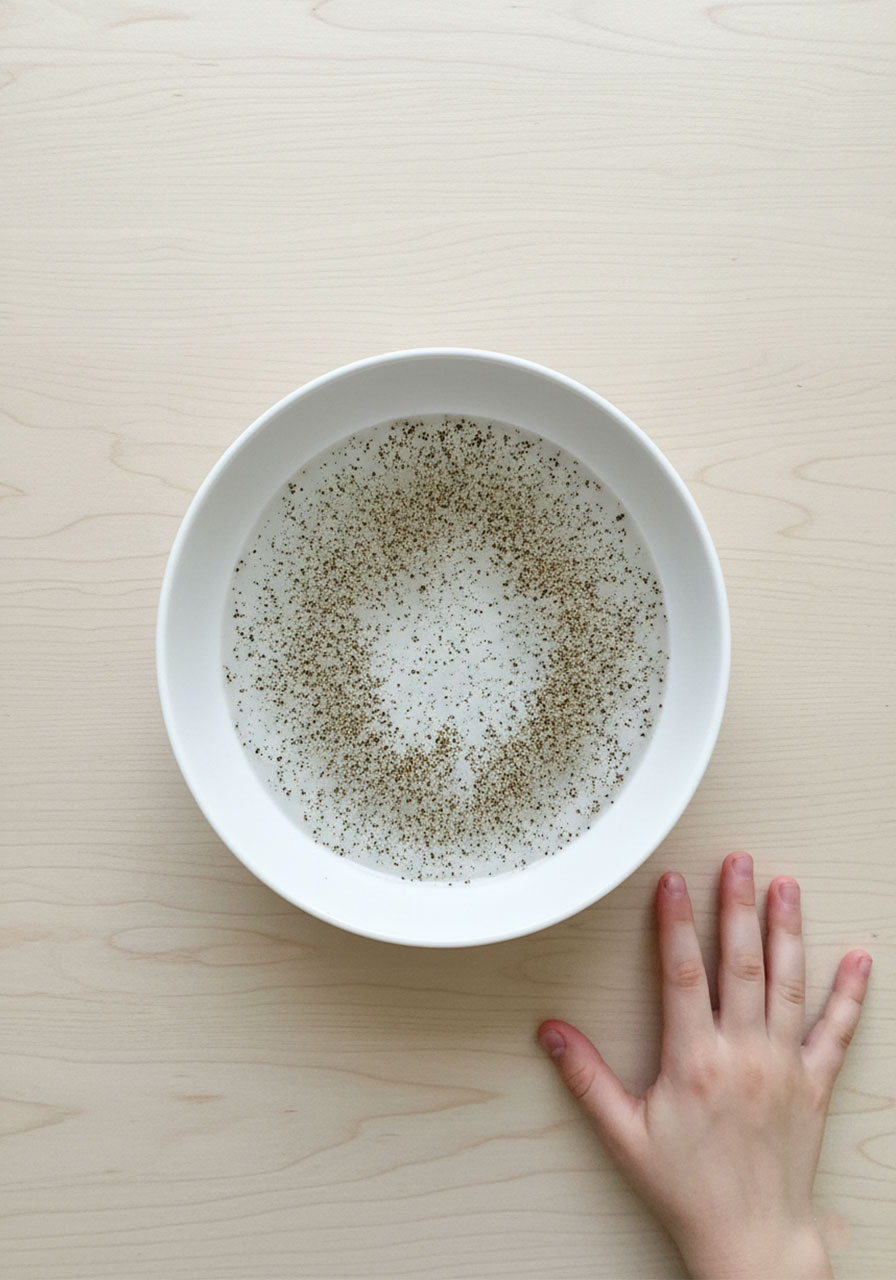
Step 1: Fill your shallow bowl or dish with water – about an inch deep is perfect.
Step 2: Sprinkle pepper generously all over the surface of the water. You want enough that it’s clearly visible and covers a good portion of the water. This pepper represents germs hanging out on your hands.
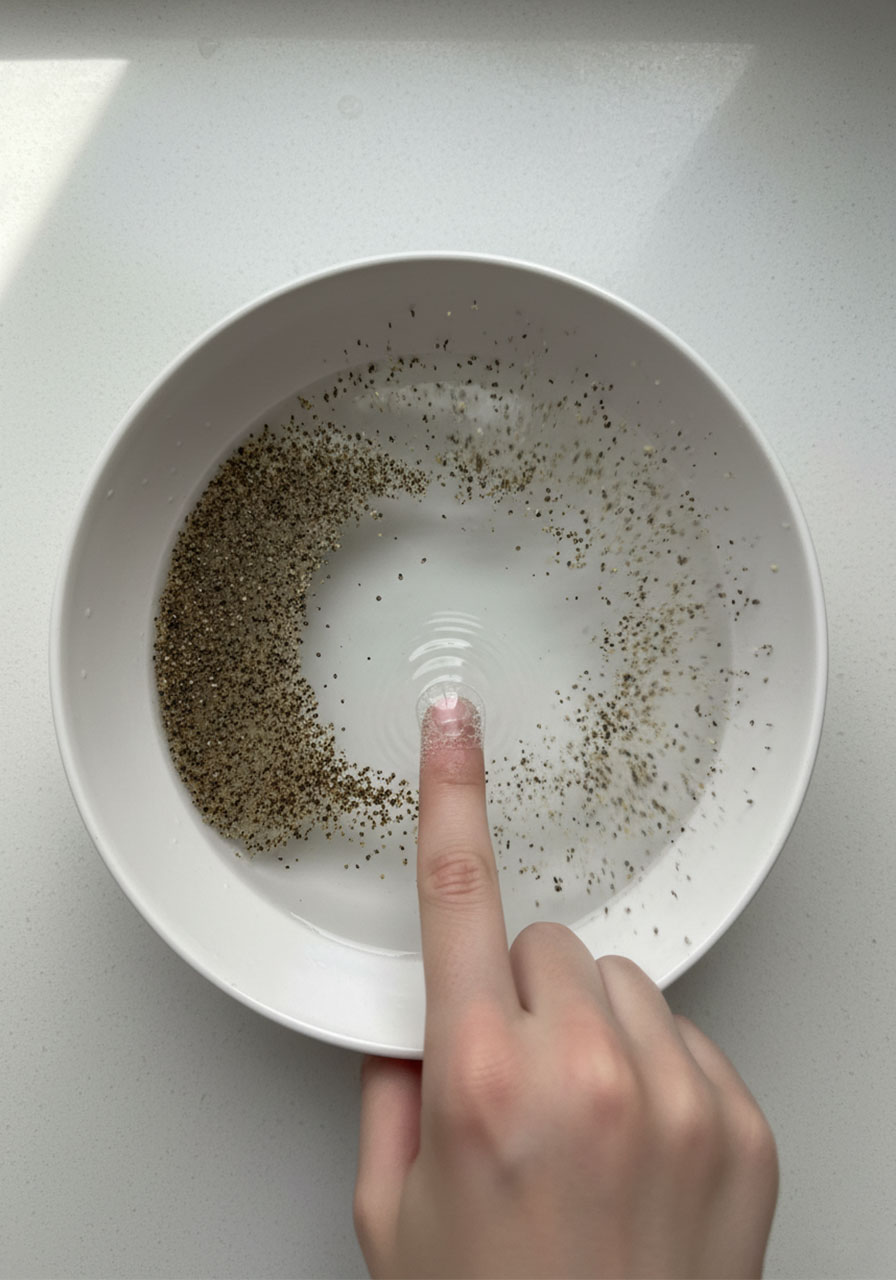
Step 3: Have your child dip one finger into the soap, then gently touch the surface of the water in the center of the bowl.
Step 4: Watch the magic happen! The pepper will instantly shoot away from their finger and race to the edges of the dish like it’s fleeing for its life.
Pro Tip: If your child is hesitant to touch the soap, use a cotton swab dipped in soap instead. But honestly? Using their actual finger drives the lesson home way better – they’ll connect that their soapy hands have this same germ-repelling superpower.
What’s Actually Happening Here? (The Science Made Simple)
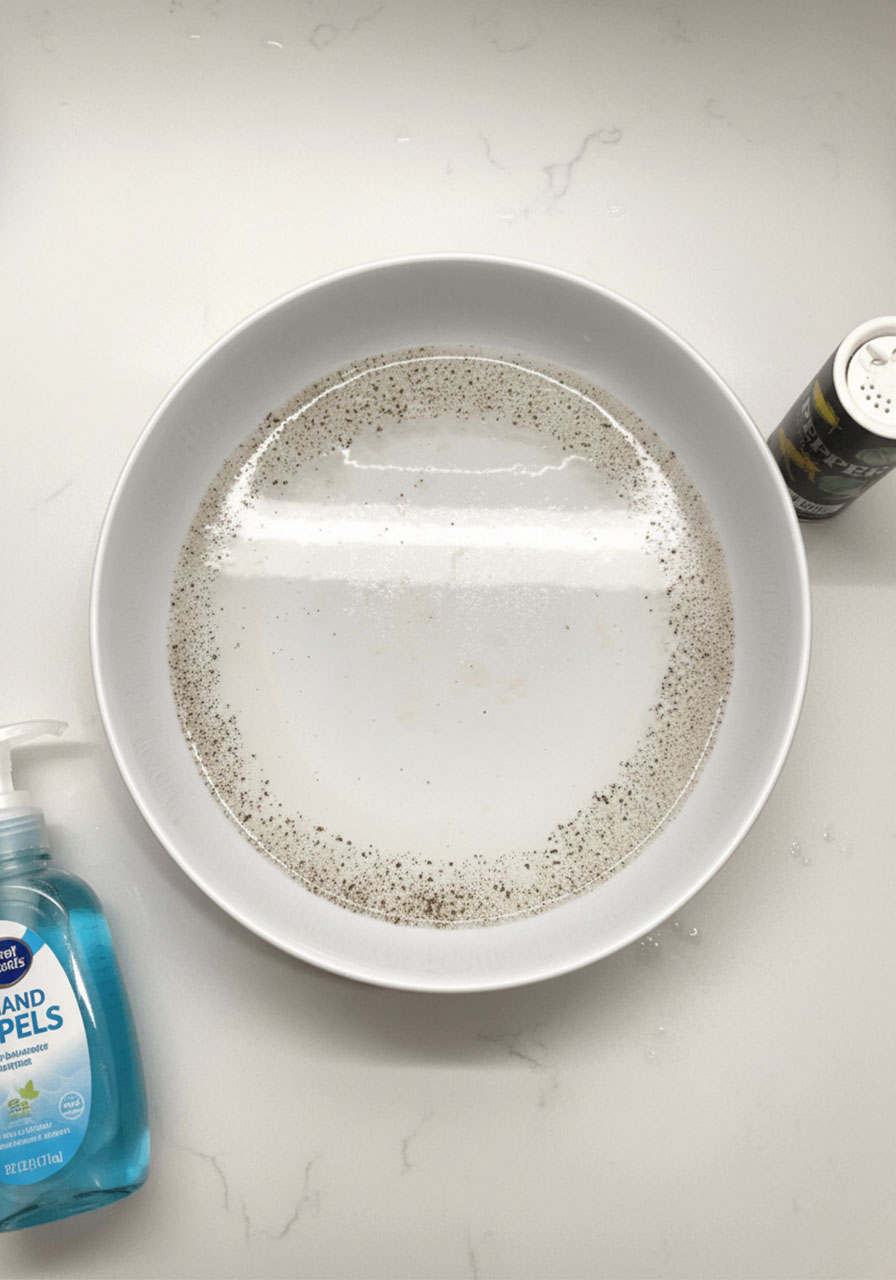
This experiment is basically a live-action demonstration of why soap is the MVP of handwashing.
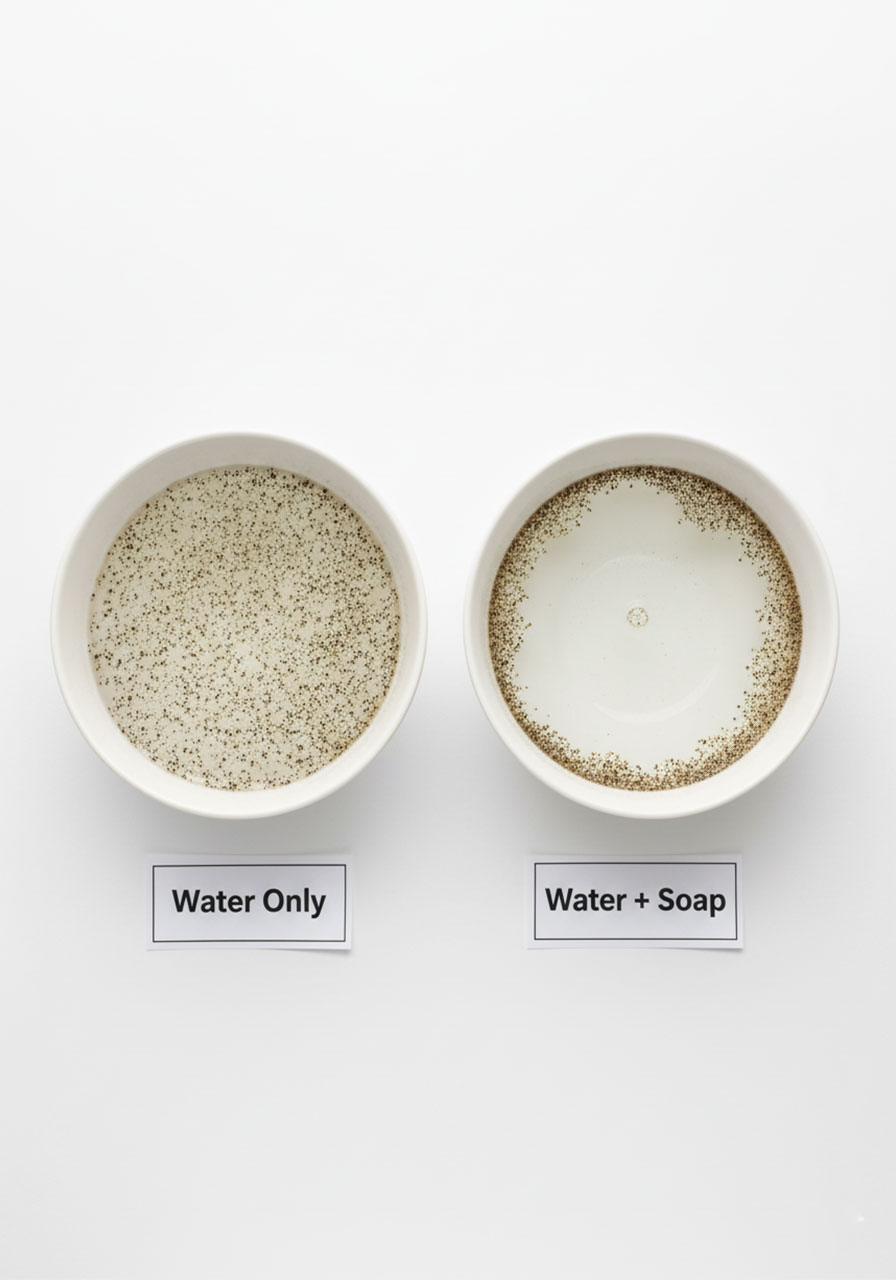
The pepper = germs. Notice how the pepper just sits there on the water, spreading out and getting comfortable? That’s what germs do on your hands. And here’s the key lesson: water alone doesn’t make them disappear.
Before you add the soap, take a moment to point this out to your child. Rinsing hands with just water might wash away visible dirt, but those invisible germs? They’re sticking around.
The soap = the germ destroyer. The second that soap touches the water, the pepper scatters to the edges. This is your child’s “aha!” moment. Soap doesn’t just sit there – it actively pushes germs away and breaks them down so they can be washed off.
The science behind it is pretty cool too: soap is a surfactant, which means it breaks the surface tension of water. The pepper (which is hydrophobic and sits on top of the water) gets pushed away when that surface tension breaks. It’s the same thing that happens when soap grabs onto germs and oils on your hands and pulls them off.
Why This Experiment Actually Changes Behavior
The beauty of this experiment isn’t just that it’s fun – it’s that it makes an abstract concept (germs you can’t see) suddenly very real. Your child can literally watch germs fleeing from soap. That’s way more convincing than saying “wash your hands because I said so”.
After doing this experiment, most kids genuinely want to use soap because they’ve seen its power. They understand that their hands are like that bowl of water, and soap is what sends germs packing.
Fun Variations to Try
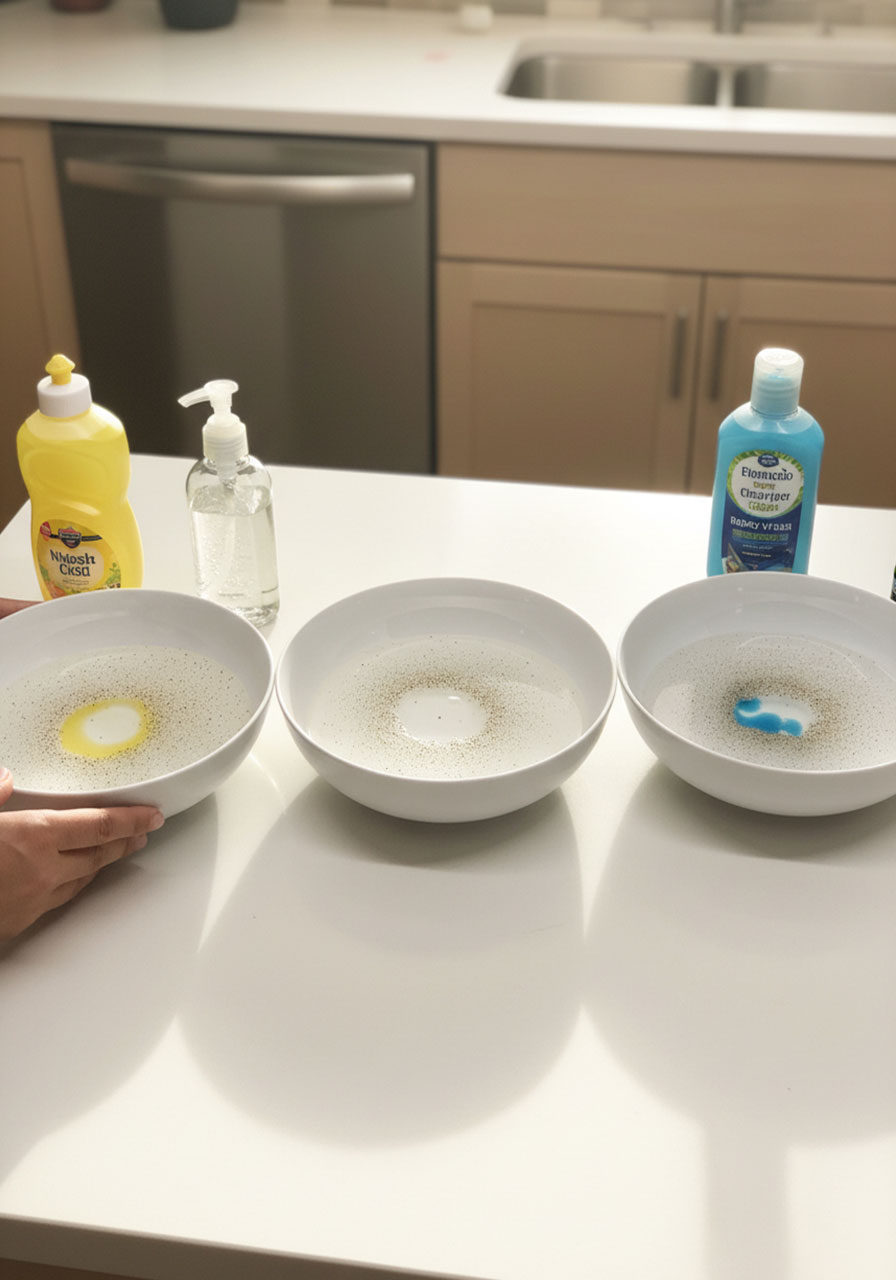
Once you’ve done the basic version, here are some ways to keep the experiment fresh:
Race different soaps: Try dish soap vs. hand soap vs. body wash. Which one makes the pepper scatter fastest?
Test temperature: Does the water temperature matter? Try cold, warm, and hot water.
Use different “germs”: Swap pepper for other materials like paprika, cinnamon, or glitter (fair warning: glitter cleanup is its own adventure).
Make it a game: See who can make the pepper scatter the most dramatically with one touch.
Tips for Success

Use enough pepper. A light dusting won’t have the same dramatic effect. Go bold with your pepper coverage.
Fresh water for each round. Once the soap has spread through the water, the effect won’t work as well. Just dump it out and start fresh – it literally takes 30 seconds.
Keep faces back. Pepper particles can tickle noses and cause sneezing, so remind kids to lean back a bit.

Easy Cleanup
This is one of the rare science experiments where cleanup is basically zero effort. Just pour the peppery water down the drain and give the bowl a quick rinse. Done.
The Bottom Line
If your kids have been half-heartedly “washing” their hands, this 5-minute experiment might be the game-changer you need. It’s fast, it’s visual, and it turns an everyday hygiene habit into something kids actually understand and care about.
Plus, it’s just plain fun to watch pepper flee like it’s being chased by a tiny soap monster. Your kids will be begging to do it again – and secretly learning why soap matters with every round.
With this simple experiment in your parenting toolkit, you’re about to raise a generation of kids who actually want to use soap. And honestly? That’s a win worth celebrating.
More Kid’s Party Ideas to Keep the Fun Rolling:
Paper Airplane Birthday Party Ideas That’ll Have Your Guests Soaring
Cornstarch & Dish Soap Bubble Dough: Easy DIY Sensory Fun!
25+ Hands-On Human Body STEM Activities Kids Will Love
DIY Bottle Rockets: The Backyard Science Experiment That’ll Launch Your Summer Into the Stratosphere
How to Make Stunning DIY Glue Suncatchers (So Easy, Kids Can Do It!)
16 Fun Games for Toddlers (Because You Need to Keep Them Busy)
