
Stuck inside on a snow day? This one’s about to save you.
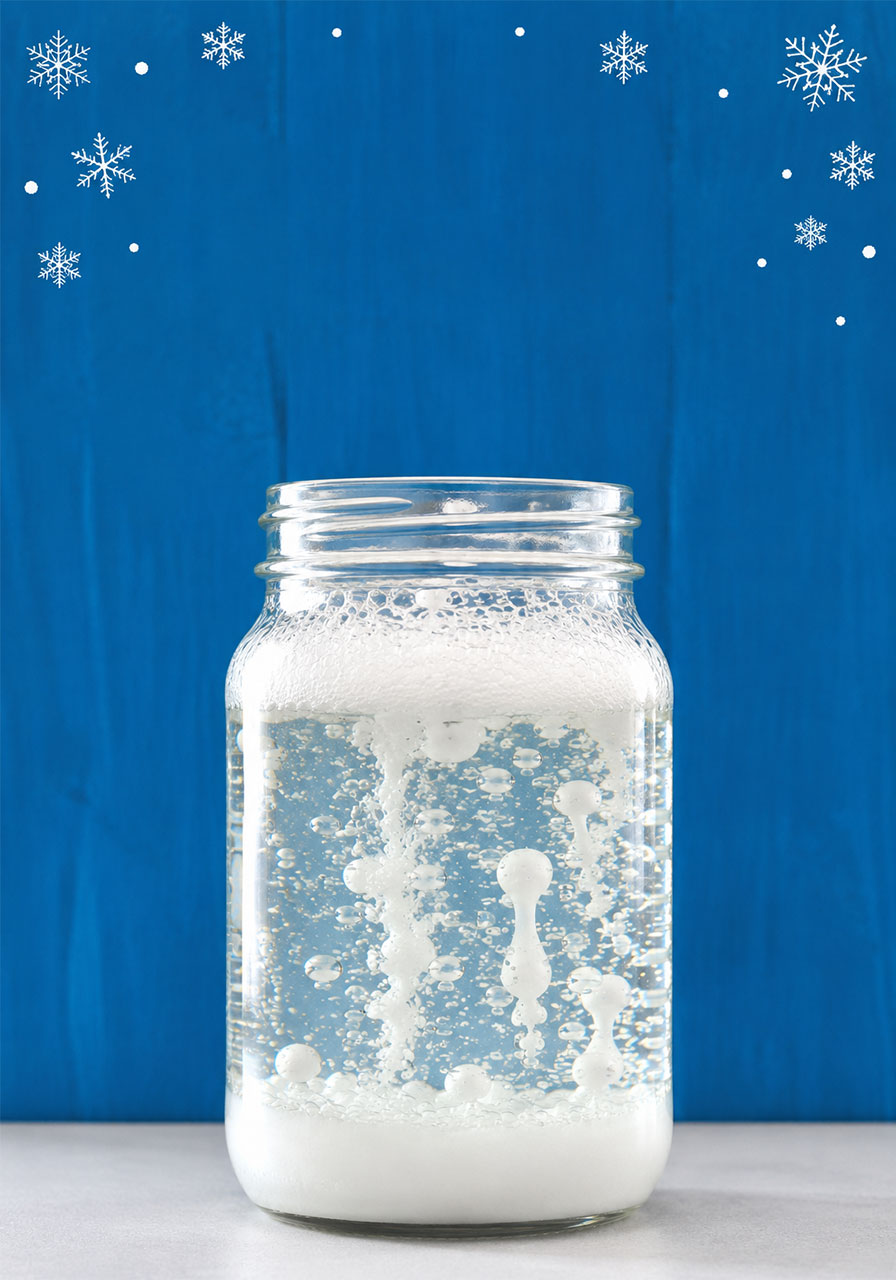
The Snowstorm in a Jar experiment is one of those rare STEM activities that’s equal parts easy, mesmerizing, and educational. With just four kitchen staples, you can create a swirling little snowstorm right in a mason jar – no actual snow required.
It’s the perfect winter science activity for preschool and elementary classrooms, homeschool days, or those long stretches of winter break when the kids need something more exciting than another episode of their favorite show.
Best of all? It teaches real science concepts – density, chemical reactions, and states of matter – without kids even realizing they’re learning. They’ll just think it’s magic.
Let’s get into exactly how to make it happen.
Why This Experiment Is a Winter Must-Try
Every parent and teacher knows the struggle of keeping little hands busy once the temperature drops. This experiment solves that problem beautifully.
It takes less than 10 minutes to set up. It uses items you probably already have at home. And it delivers a genuinely wow-worthy reaction that kids will want to watch over and over again.
Even better, it’s a hands-on way to introduce big science ideas – like why oil and water don’t mix, or what happens when two chemicals react – in a way that actually clicks for young minds.
Best for: Preschoolers through elementary-aged kids, classroom science stations, homeschool STEM lessons, and winter-themed learning units.
Time Needed: 10 minutes to set up, with several minutes of hands-on observation once the reaction begins.
Adult supervision required for this activity at all times, since it involves small tablet pieces and glass jars.

What You’ll Need
A clear jar, like a mason jar
Baby oil (or vegetable oil, if that’s what you have on hand)
Water
1 tablespoon of white paint
An Alka-Seltzer tablet
That’s it. No fancy science kit, no trip to the craft store. Just a quick check of your pantry and bathroom cabinet.
How to Make Your Snowstorm in a Jar
Follow these steps in order, and you’ll have a swirling snowstorm in minutes.
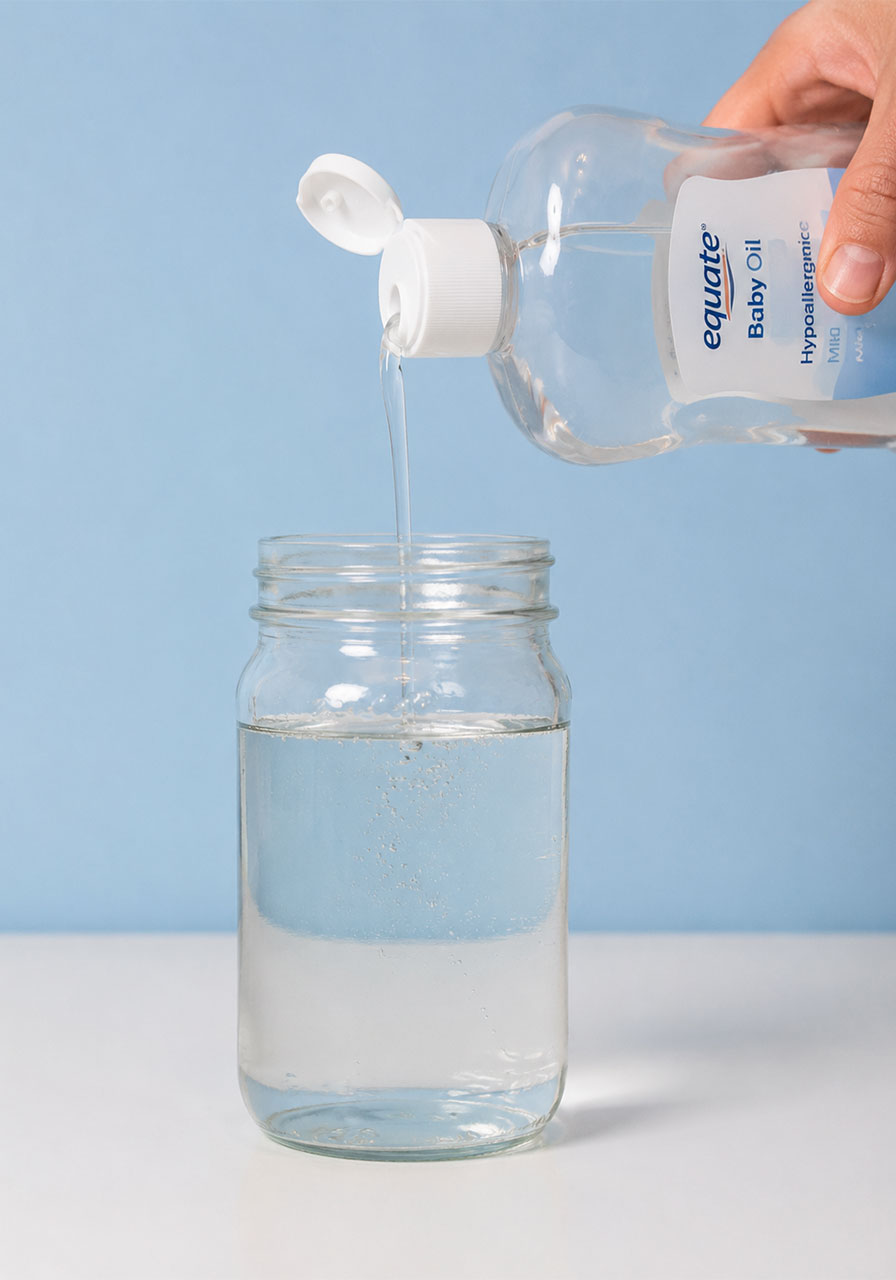
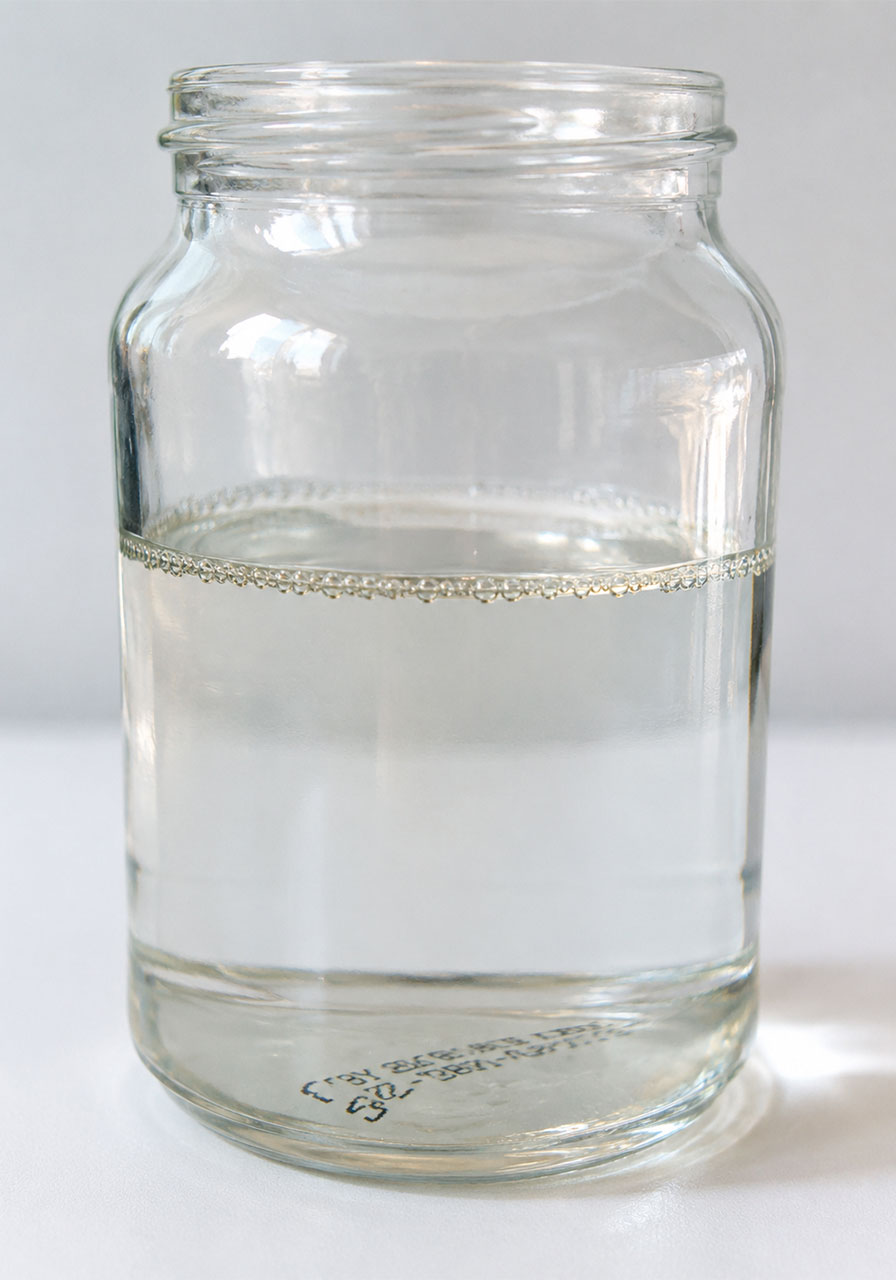
Step 1: Fill the jar three-quarters full with baby oil.
Adding the oil first is key. It coats the inside of the jar in a clear layer, so the reaction stays easy to see once the water goes in.
If you add the water first, the white color tends to cling to the glass and fog everything up, which makes it much harder for kids to actually watch the science happen.
Feel free to swap in vegetable oil if that’s what you have. It works exactly the same way – it’ll just give the jar a soft yellow tint instead of staying totally clear.
Pro Tip: Want to make it look like a winter sky? Add a drop or two of blue, oil-based food coloring to the baby oil before moving to the next step. Just make sure it’s an oil-based coloring so it blends into the oil layer instead of sinking into the water.
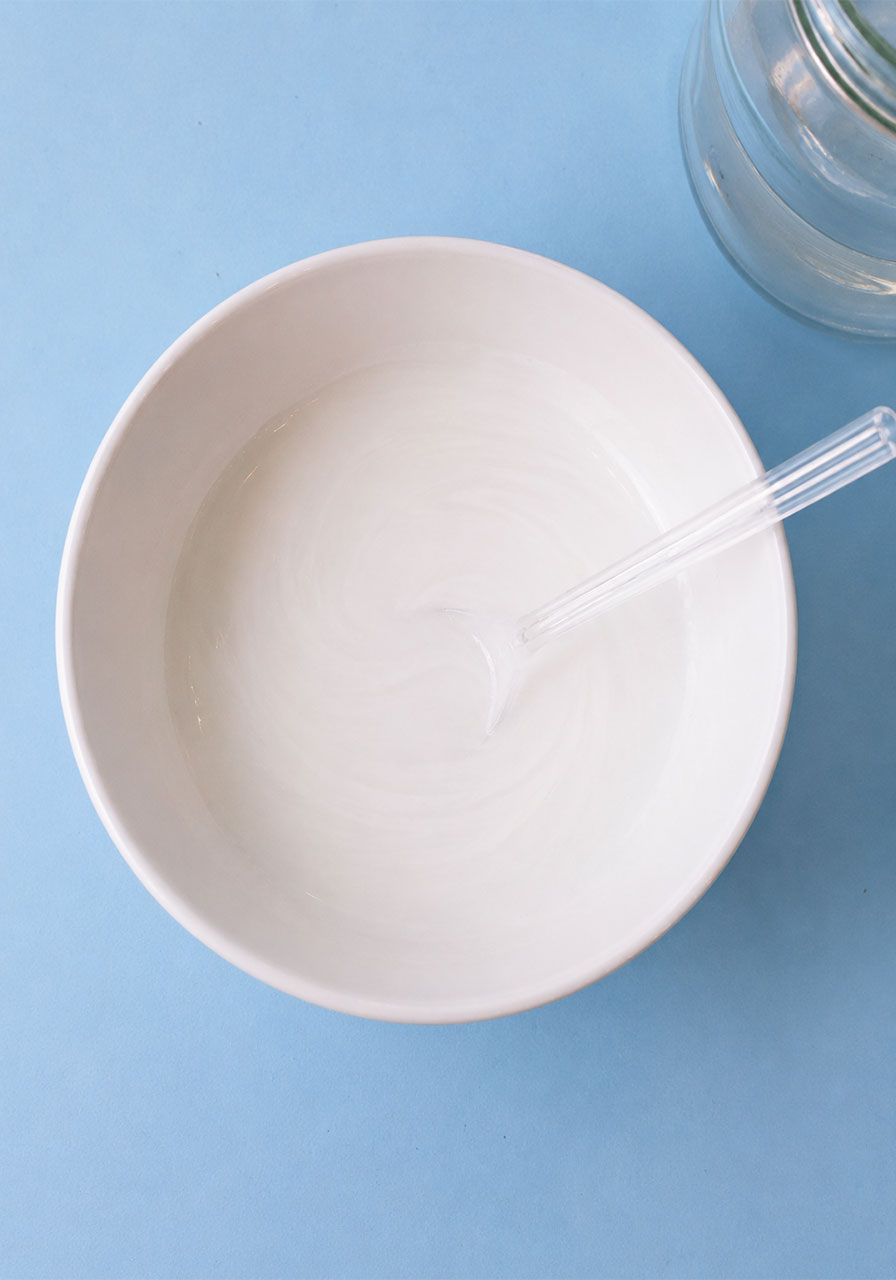
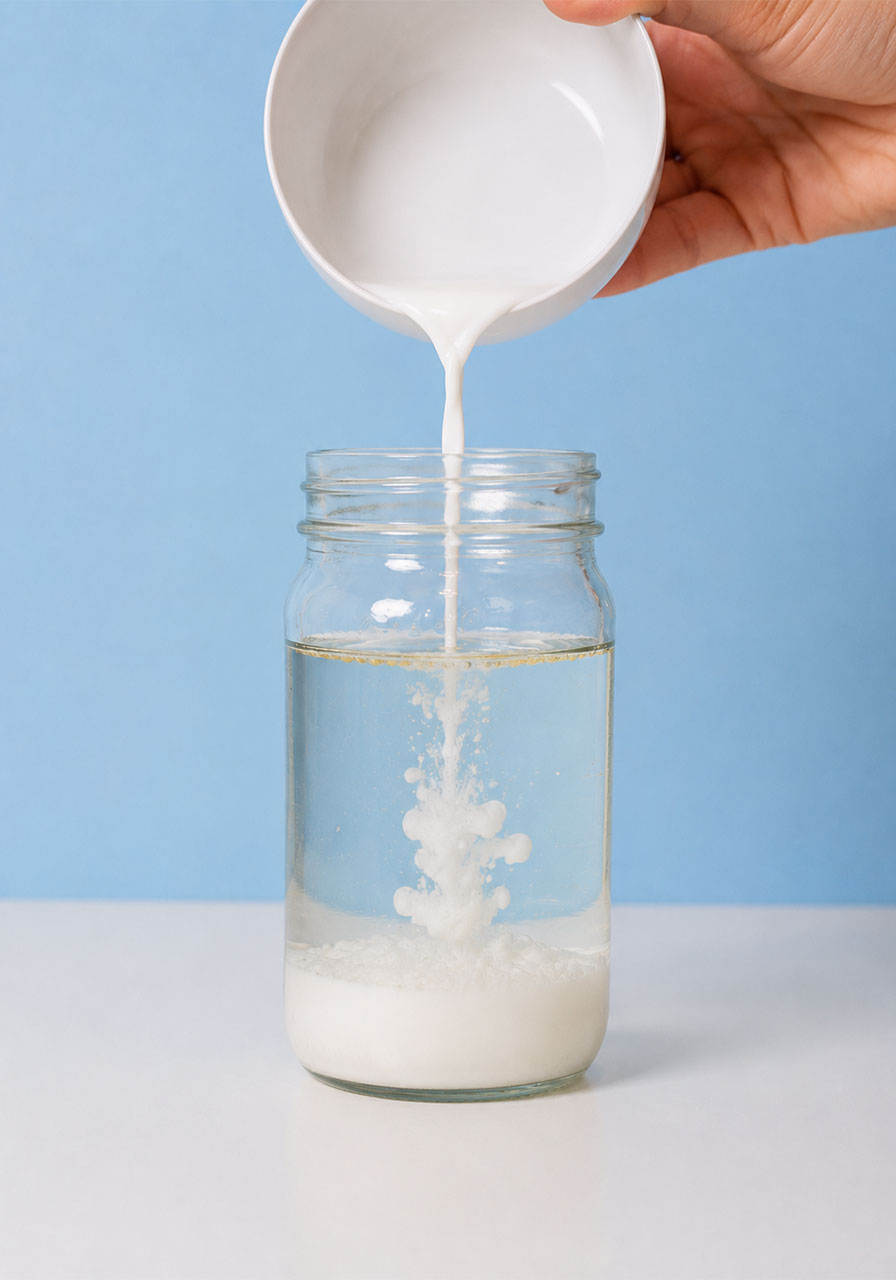
Step 2: In a separate bowl, mix a quarter-jar’s worth of water with a small squirt of white paint.
Stir until the water turns an even, milky white. You don’t need much water here – using too much can make it harder to see the individual bubbles rise and fall once the reaction starts.
Step 3: Pour the white water into the jar.
Watch as it sinks straight to the bottom, settling beneath the oil layer. This is your first hint at the science lesson to come – more on that below.
If you’re short on white paint, milk can work in a pinch. Just know the reaction won’t be quite as fast or dramatic as it is with painted water.
Feeling adventurous? Swap in food coloring instead of white paint, and turn this into a colorful lava lamp experiment instead of a snowstorm.
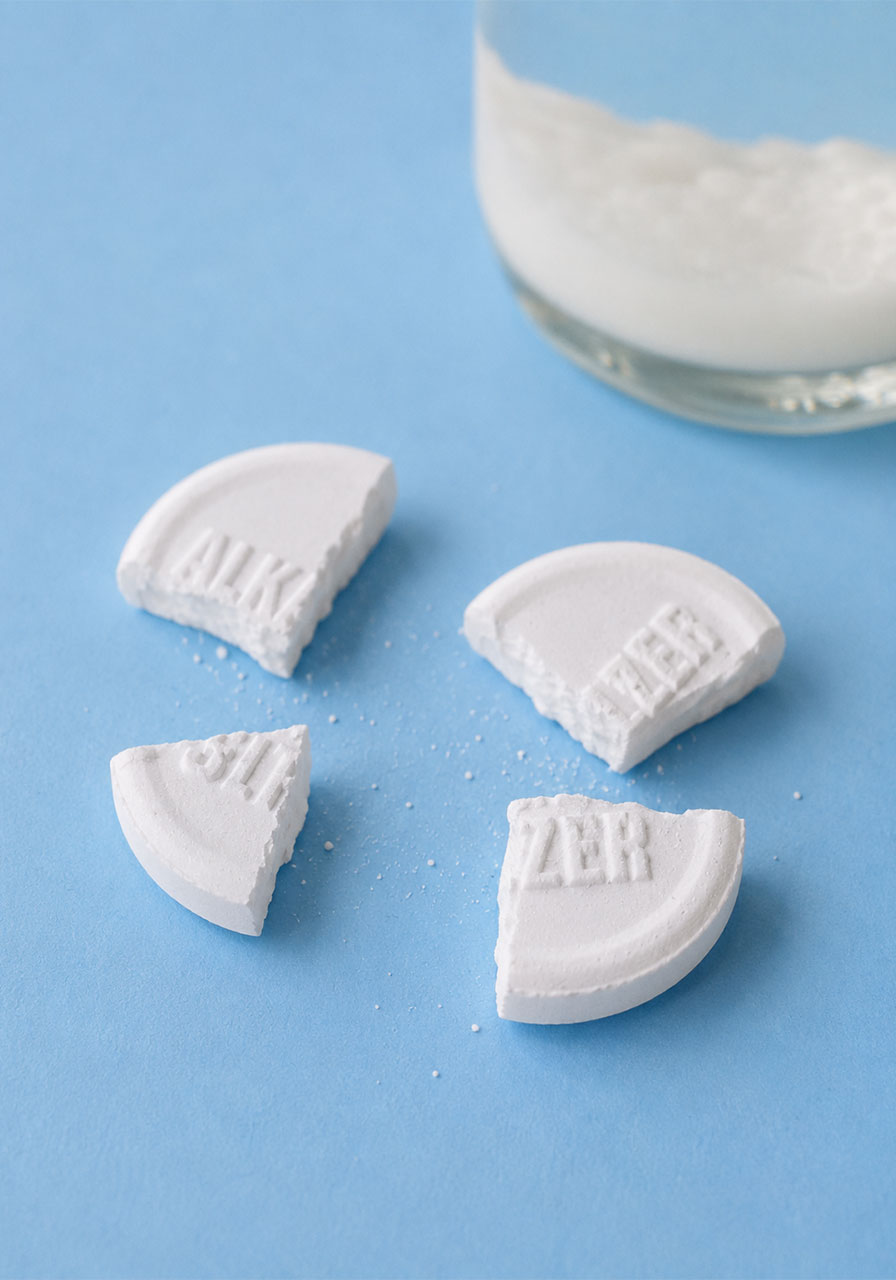
Step 4: Break an Alka-Seltzer tablet into several small pieces, then drop them into the jar one at a time.
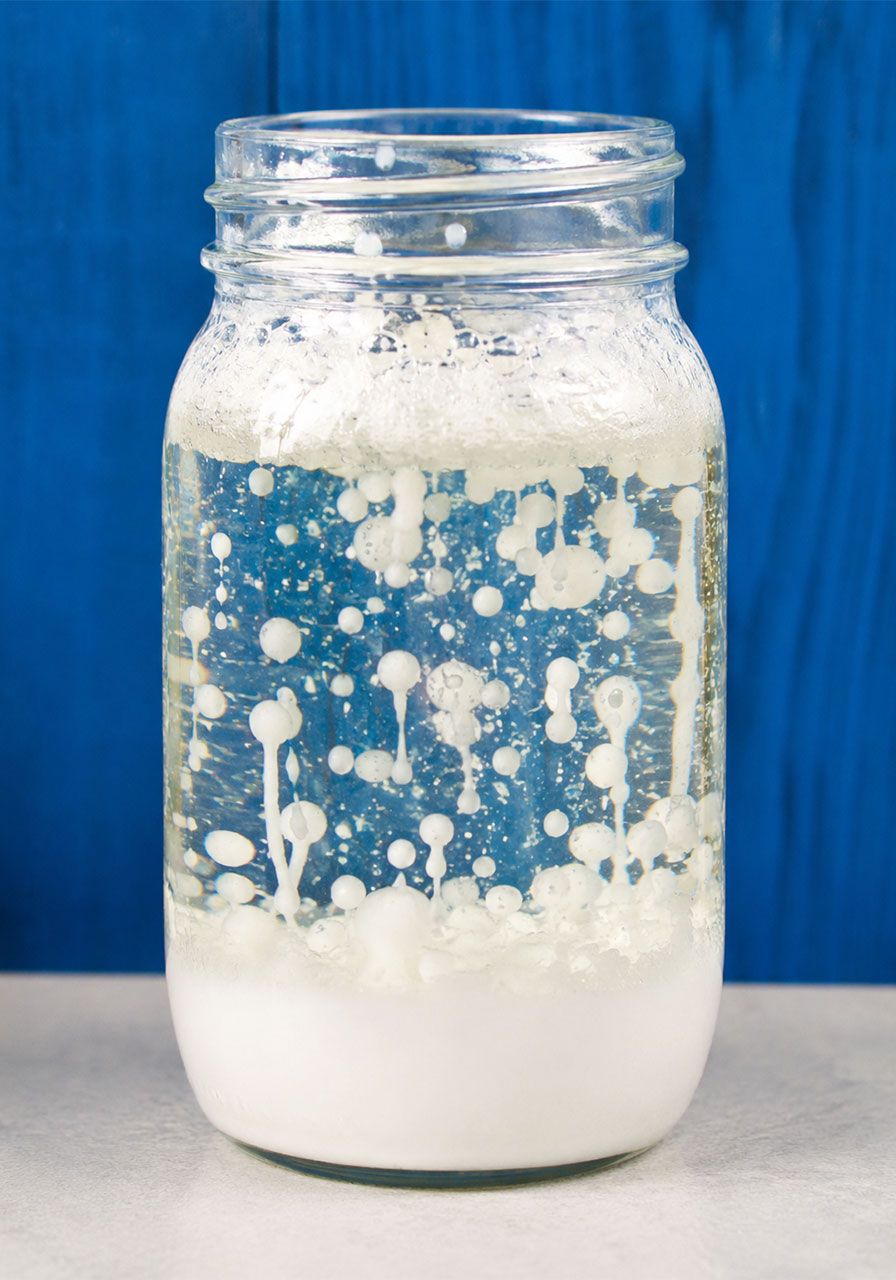
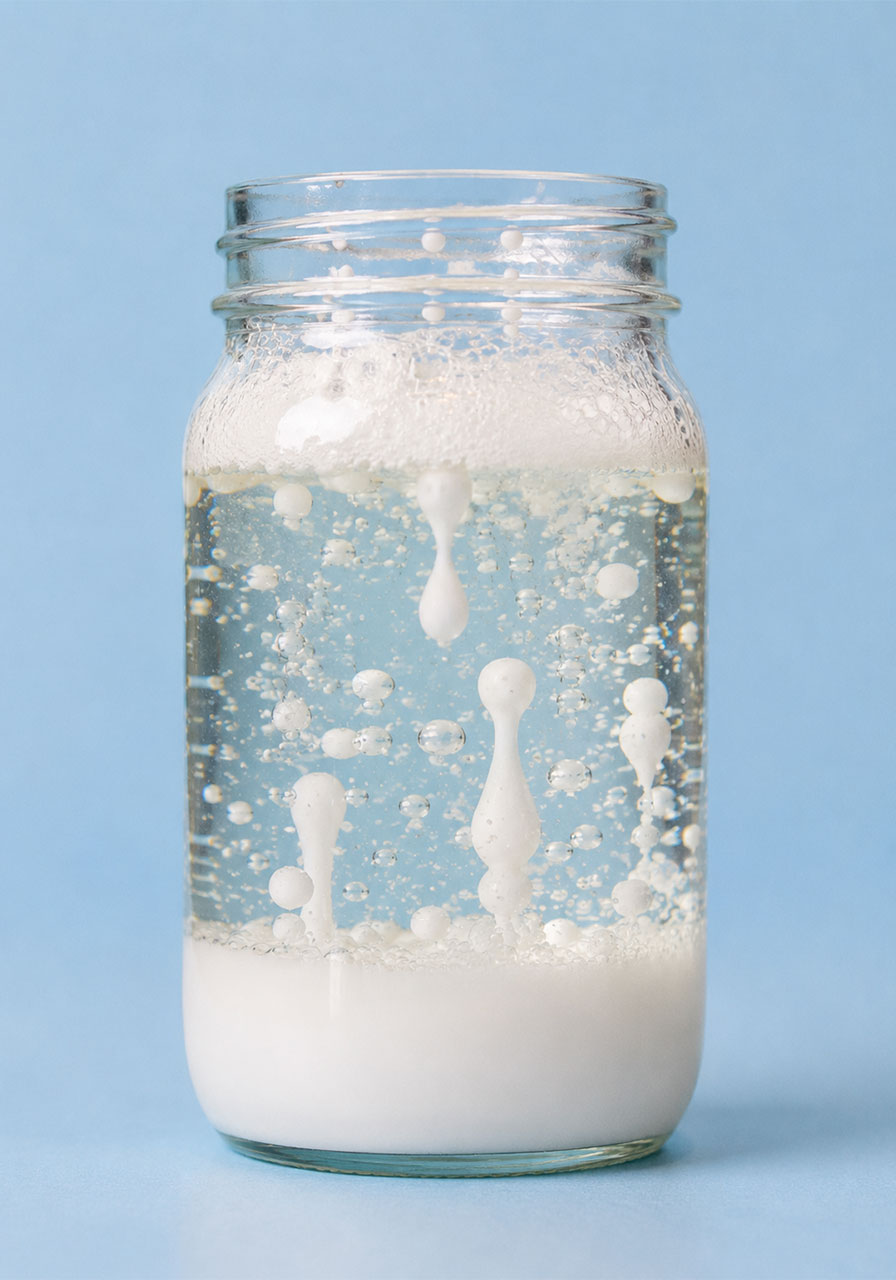
This is the moment they’ll remember. Almost immediately, bubbles will start forming and rising through the oil, carrying little blobs of white “snow” up and down through the jar.
Sit back and let the show begin. The reaction will continue in bursts for several minutes, and you can always drop in another piece of tablet to keep the snowstorm going.
The Science Behind the Snowstorm
This activity isn’t just fun to watch – it’s a genuine science lesson wrapped up in a jar. Here’s exactly what’s happening, broken down in kid-friendly terms.
1. Oil and water don’t mix.
These two liquids are what scientists call immiscible, meaning their molecules simply won’t bond together. You can demonstrate this really clearly by giving the sealed jar a gentle shake and watching the two liquids separate right back into layers within seconds.
2. Water is denser than oil.
Density is the reason water always settles at the bottom of the jar, no matter how you tilt or rotate it. Try slowly turning the jar in different directions with your students or kids – the oil will always stay on top, every single time.
3. Alka-Seltzer creates a chemical reaction.
Alka-Seltzer tablets contain sodium bicarbonate and citric acid. While the tablet is solid, these two ingredients sit side by side without interacting.
The moment the tablet touches water, though, everything changes. The ingredients dissolve and react with each other, producing carbon dioxide gas.
As the gas bubbles form, they grab onto tiny bits of the white water and carry them upward through the oil, which is exactly what creates that snowstorm effect.
Once a bubble reaches the top and the gas escapes into the air, the leftover water and paint become dense again and sink back down to rejoin the rest of the mixture at the bottom.
This cycle of bubbles rising and water falling can repeat for several minutes, giving you plenty of time to talk through what’s happening as it unfolds.
Tips for Teachers and Parents
If you’re using this in a classroom, set it up as a station where small groups can observe and record what they see. Have them draw or describe the “snowstorm” at different stages of the reaction.
Ask guiding questions as you go, like “Why do you think the water sinks instead of floating?” or “What do you think is inside those bubbles?” These simple prompts turn a fun visual into a real discussion about density and chemical reactions.
For homeschool days, this pairs perfectly with a broader winter or weather unit. Talk about real snowstorms, air pressure, and how gases behave, then connect it back to what they just watched happen in the jar.
Safety Note: Always supervise this activity closely. Alka-Seltzer tablets and small jar pieces are not appropriate for very young children to handle unsupervised, and the jar should be handled with care throughout.
Frequently Asked Questions
Can I reuse the jar for another snowstorm?
Yes. Simply add another piece of Alka-Seltzer tablet to restart the bubbling reaction. You can keep the same oil and water mixture going for several rounds before you’ll need to start fresh.
Why isn’t my snowstorm working?
If the reaction seems weak, double check that you’re using real water (not milk) mixed with white paint, since milk produces a slower, less dramatic effect. Also make sure your Alka-Seltzer tablet is fresh, as old or expired tablets react less vigorously.
Is this experiment safe for young children?
With adult supervision, yes. Just keep a close eye on little ones around the glass jar and small tablet pieces, and consider doing the pouring and dropping steps yourself while kids observe.
How long does the reaction last?
Each Alka-Seltzer tablet piece typically creates a few minutes of bubbling action. You can extend the fun by adding pieces gradually instead of dropping the whole tablet in at once.
