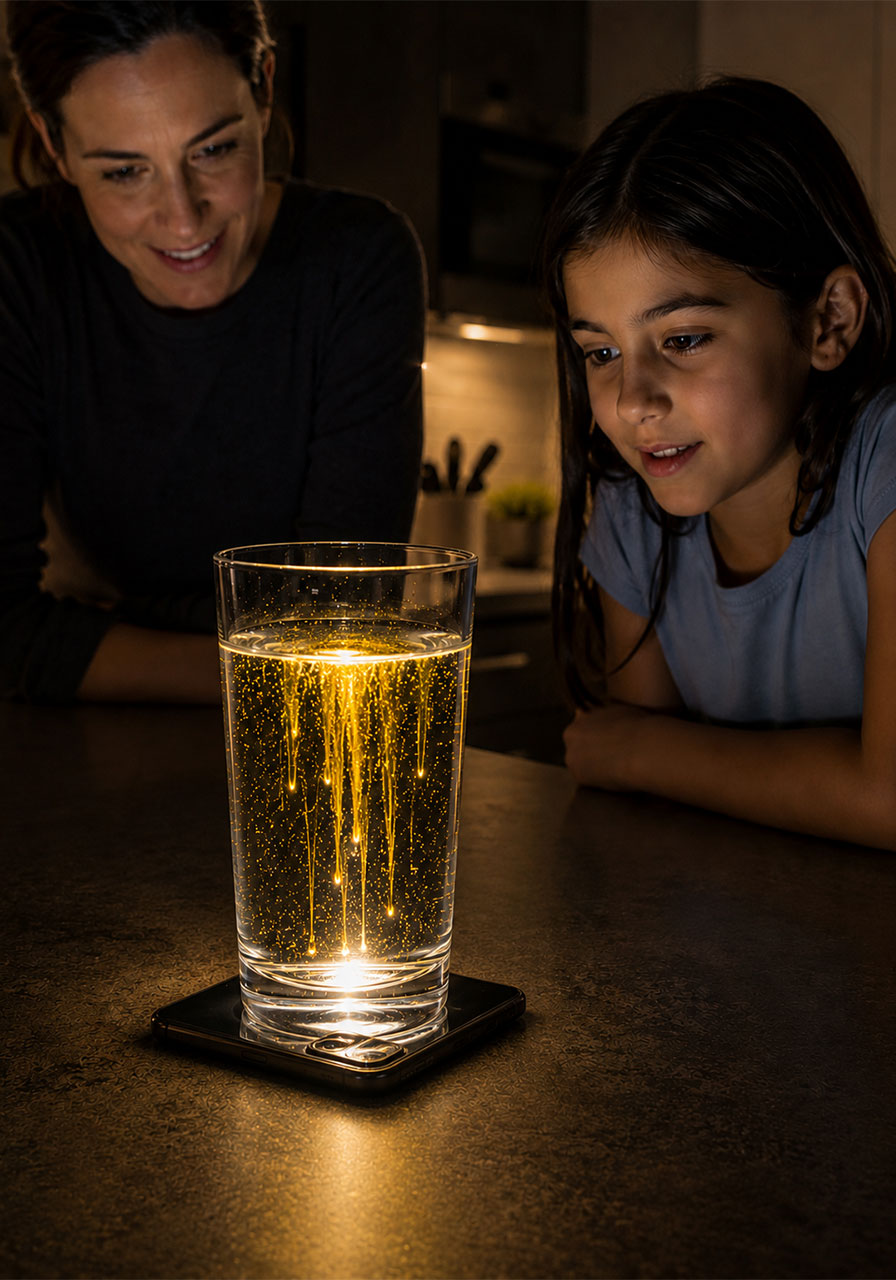
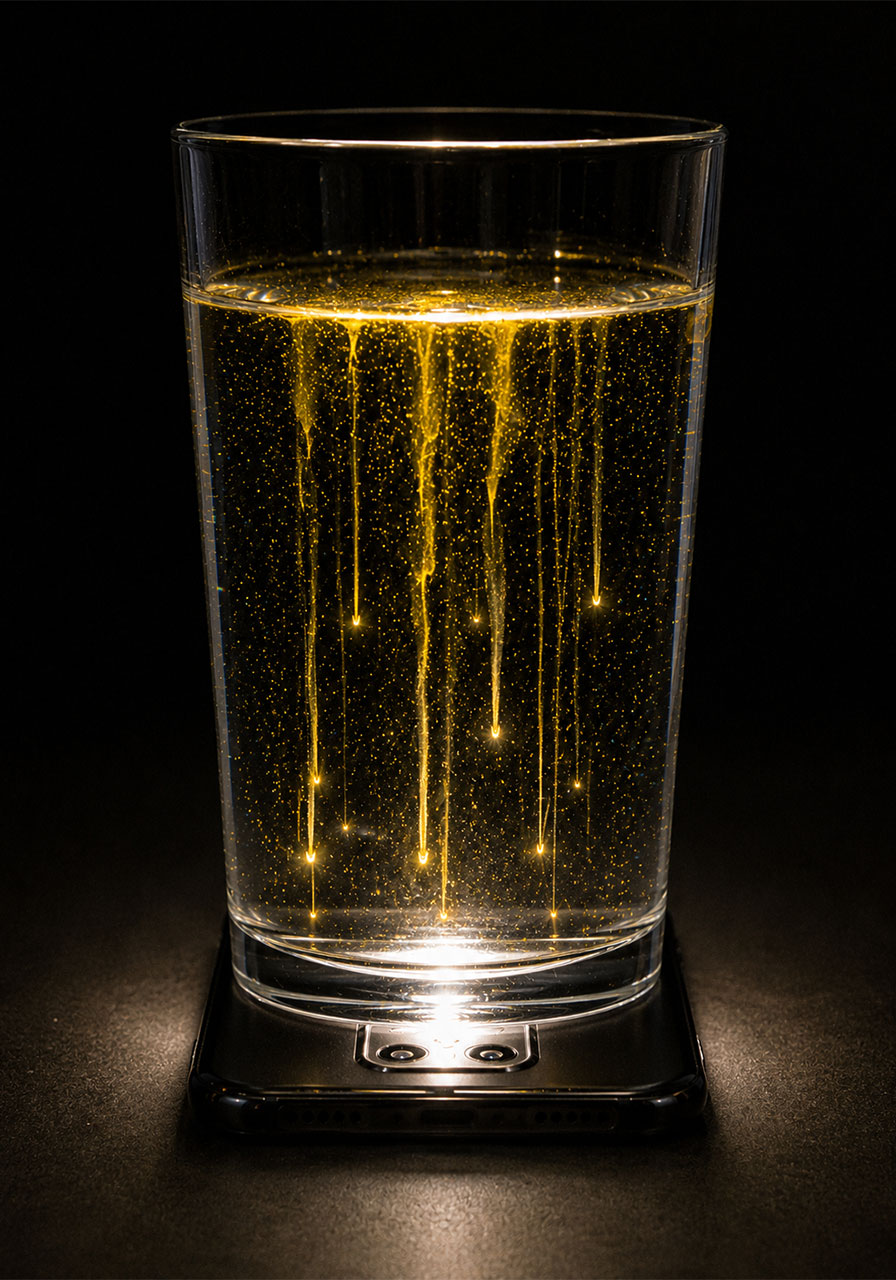
Picture this: you dim the lights, drop a pinch of golden powder into a glass of water, and suddenly your kitchen table looks like a tiny galaxy is swirling inside a cup. Glowing streaks drift down like falling stars. Your kids gasp. You grin, because you know exactly what just happened – and now they’re begging to know too.
This is the Fluorescent Meteor Shower experiment, and it might be the single easiest “wow” activity you’ll ever pull off with things already sitting in your kitchen cabinet. No special lab kit. No trip to the craft store. No cleanup nightmare. Just a glass, some water, one vitamin B tablet, and a flashlight.
Whether you’re a teacher looking for a five-minute science demo that will make your classroom go silent with awe, or a parent hunting for a rainy-day activity that actually teaches something, this one delivers. Let’s get into exactly how to do it, why it works, and how to make it even more magical.
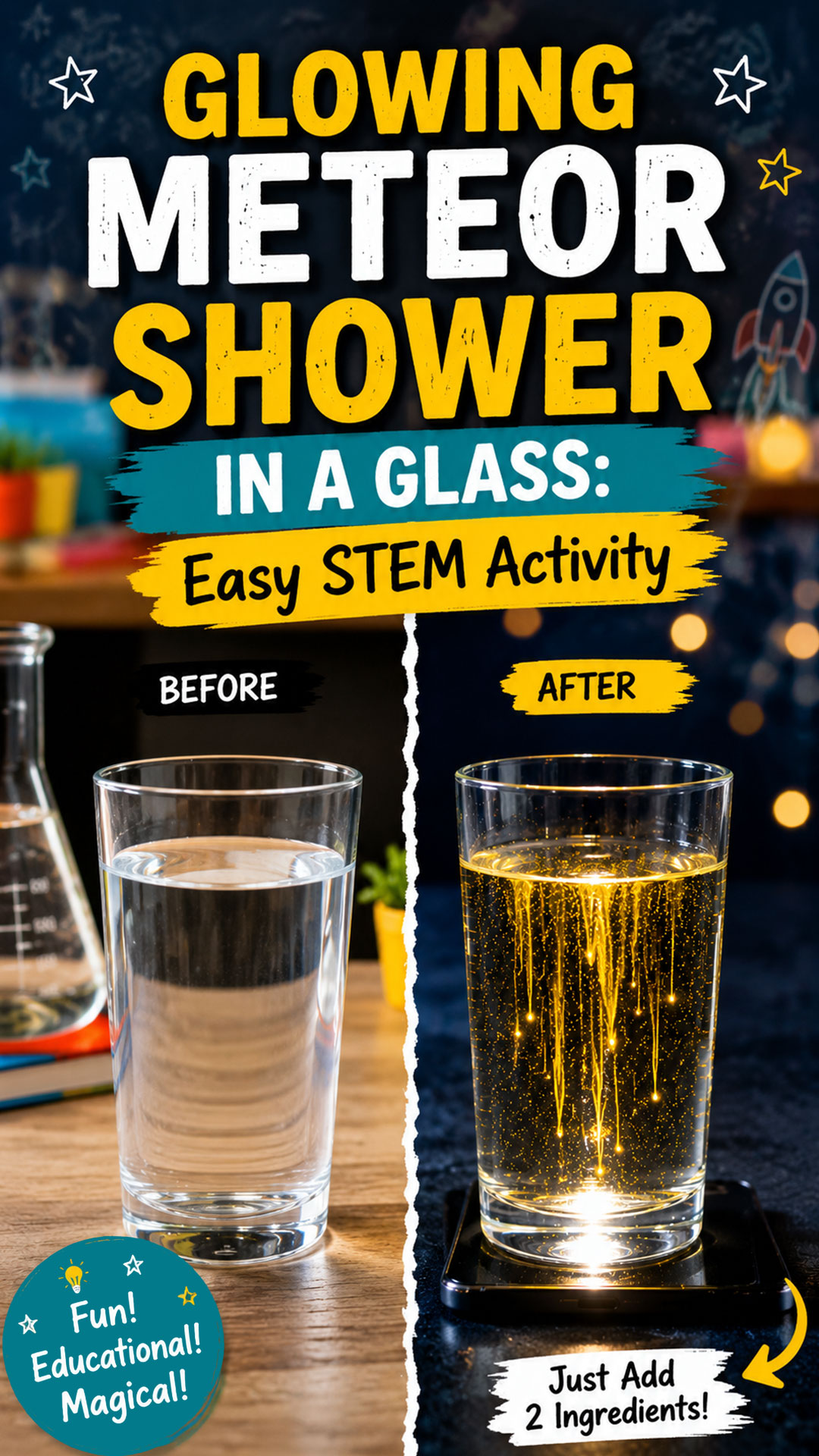
Why This Activity Is a Teacher and Parent Favorite
Good STEM activities check three boxes: they’re safe, they’re fast, and they actually teach a real scientific concept instead of just looking cool. This experiment checks all three.
It’s safe because vitamin B tablets are food-grade and non-toxic. It’s fast because the whole thing takes under 30 minutes, start to finish, including cleanup. And it teaches something real: density, solubility, and fluorescence, three concepts kids in elementary school are expected to understand, wrapped into one glowing, glittering visual.
Best of all, it works. Every single time. There’s no finicky chemistry, no waiting overnight, no ingredients that are hard to find. You crush a tablet, drop it in water, shine a light, and the science does the rest.

Quick Facts
Best for: Elementary classrooms, homeschool science, family game night, curious kids ages 6 to 12.
Time needed: Under 30 minutes, including setup and cleanup.
Group size: Works for one curious kid or a whole classroom taking turns.
Adult supervision: Recommended, especially for crushing the tablet and handling the light source.
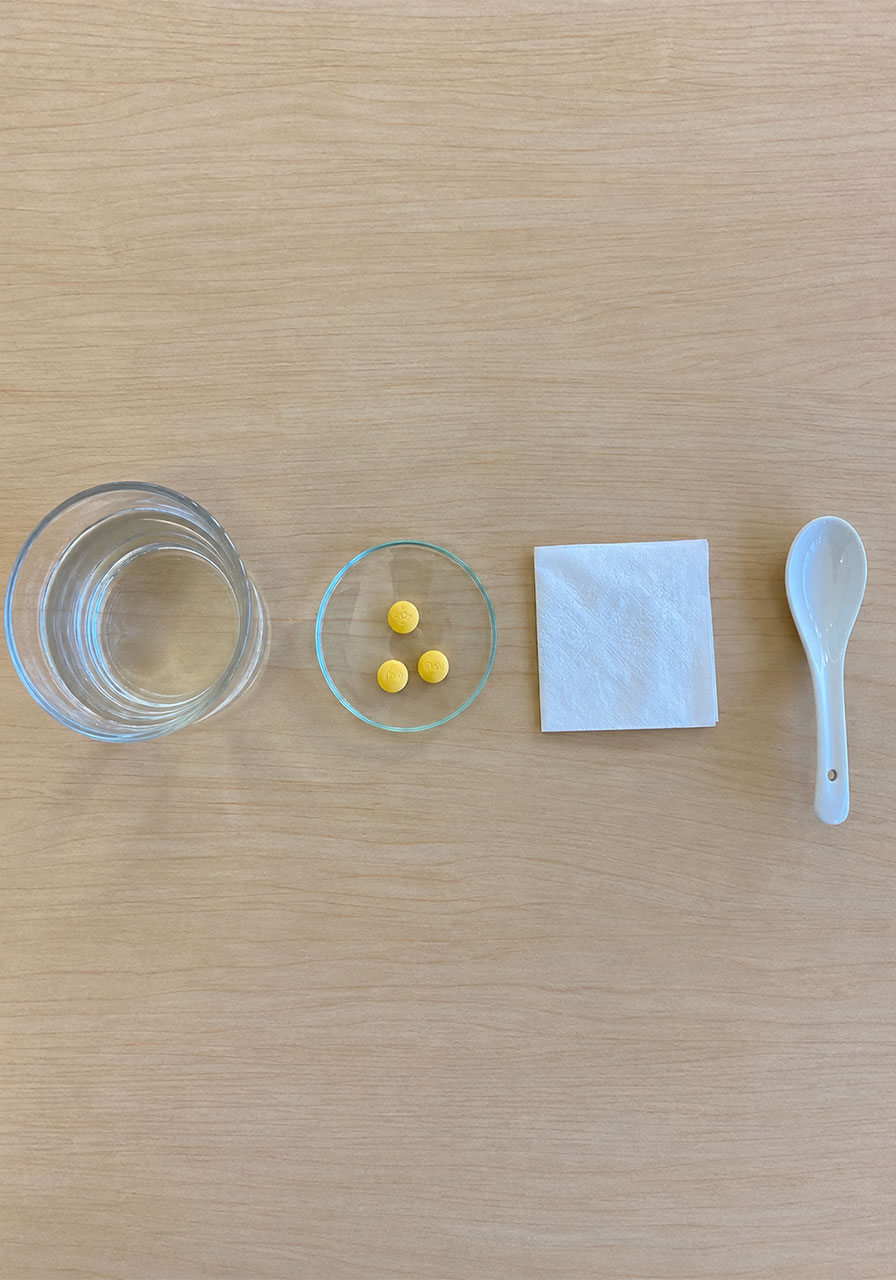
What You’ll Need
A clear glass or jar
Water, room temperature
One vitamin B tablet (riboflavin, also labeled vitamin B2, works best)
A small square of tissue paper or paper towel
A spoon
A flashlight or your phone’s built-in torch
That’s it. Six items, and you probably already own five of them. The only thing you might need to grab is the vitamin B tablet, and any pharmacy or grocery store will have it in the vitamin aisle for just a couple of dollars.
Step-by-Step Instructions
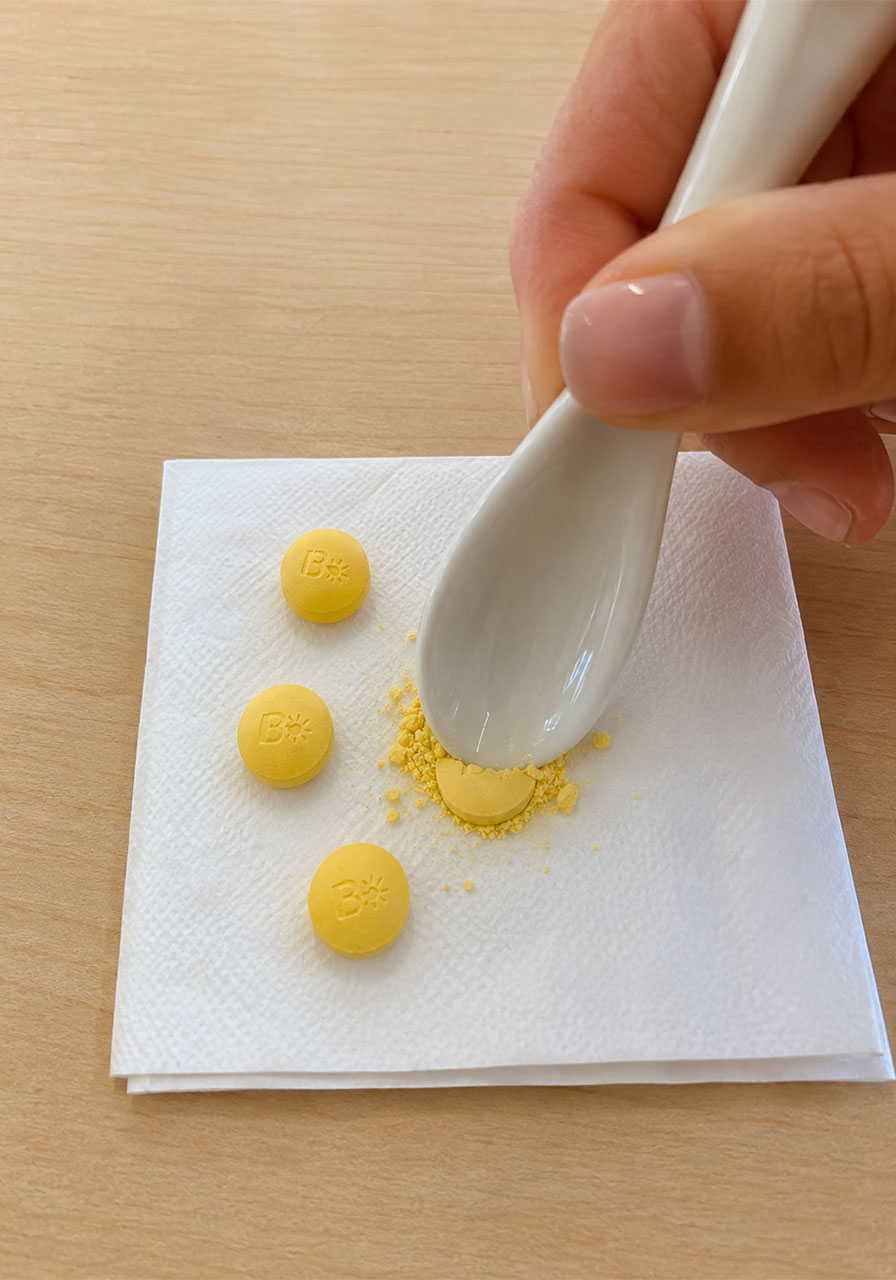
Step 1: Crush the tablet.
Place your vitamin B tablet on the tissue paper. Use the back of the spoon to press down and crush it into a fine powder. This part alone is fun for younger kids, who love the satisfying crunch of turning a solid tablet into powder.
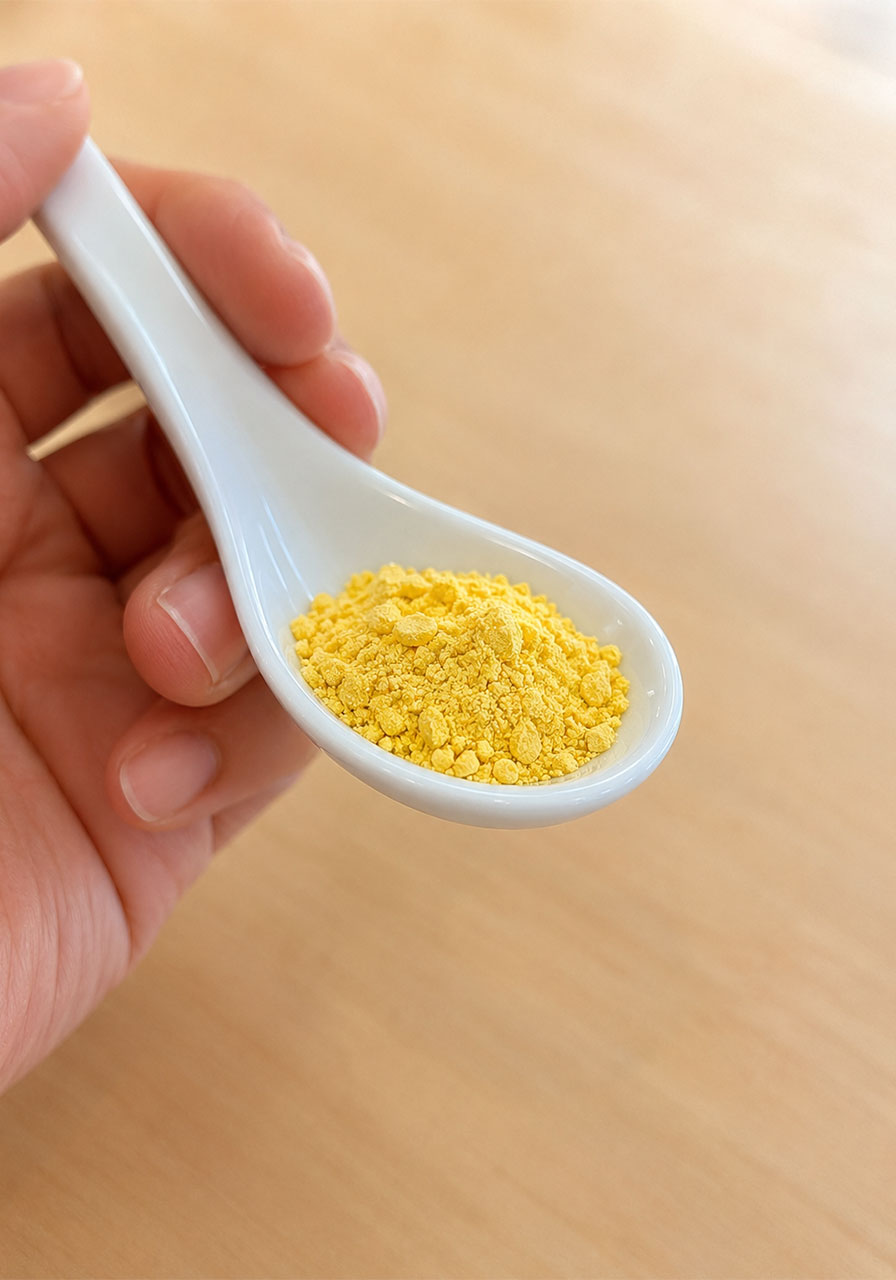
Step 2: Transfer the powder.
Carefully scoop the crushed powder off the tissue paper and into the spoon. Set it aside for a moment. You’ll notice the powder has a bright, sunny yellow color already, a little preview of the glow that’s coming.
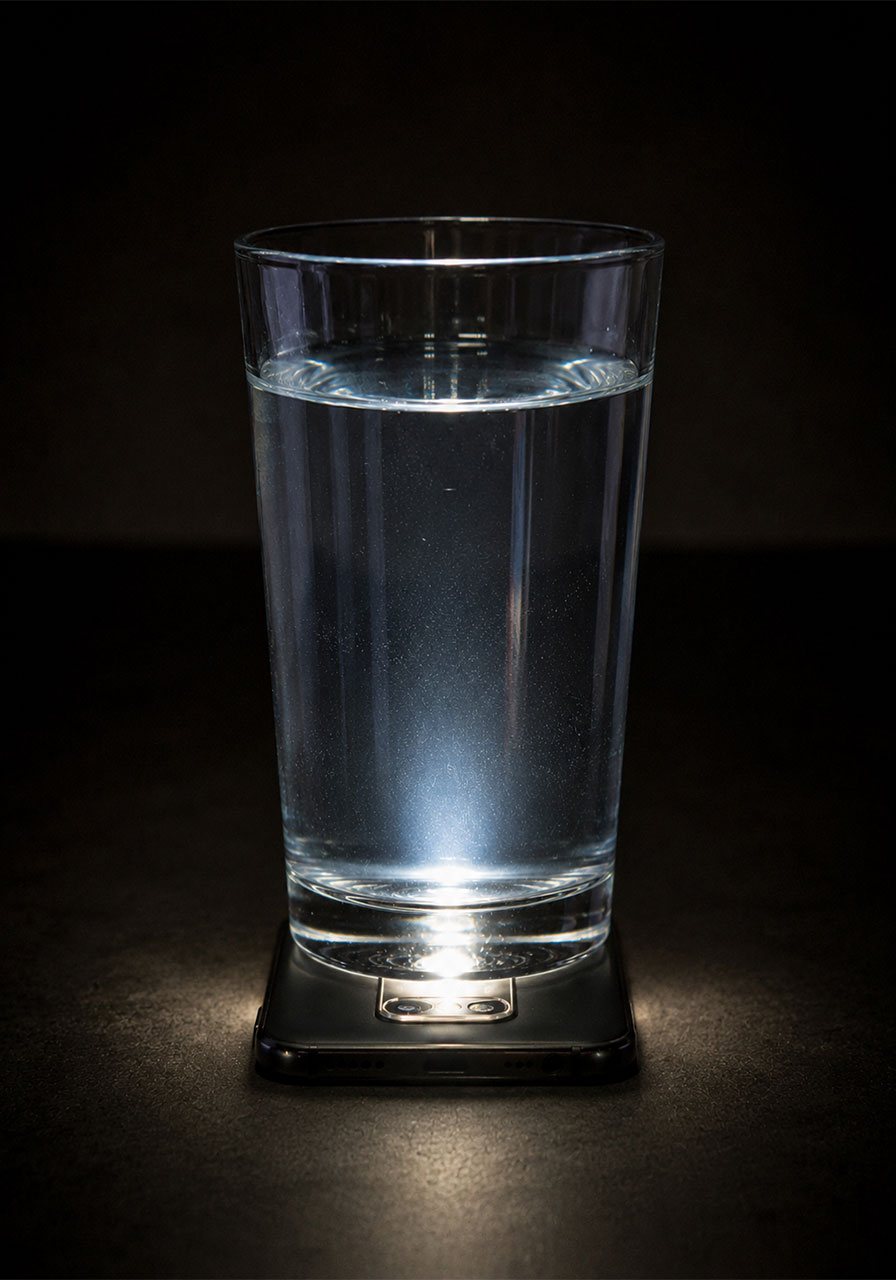
Step 3: Set the stage.
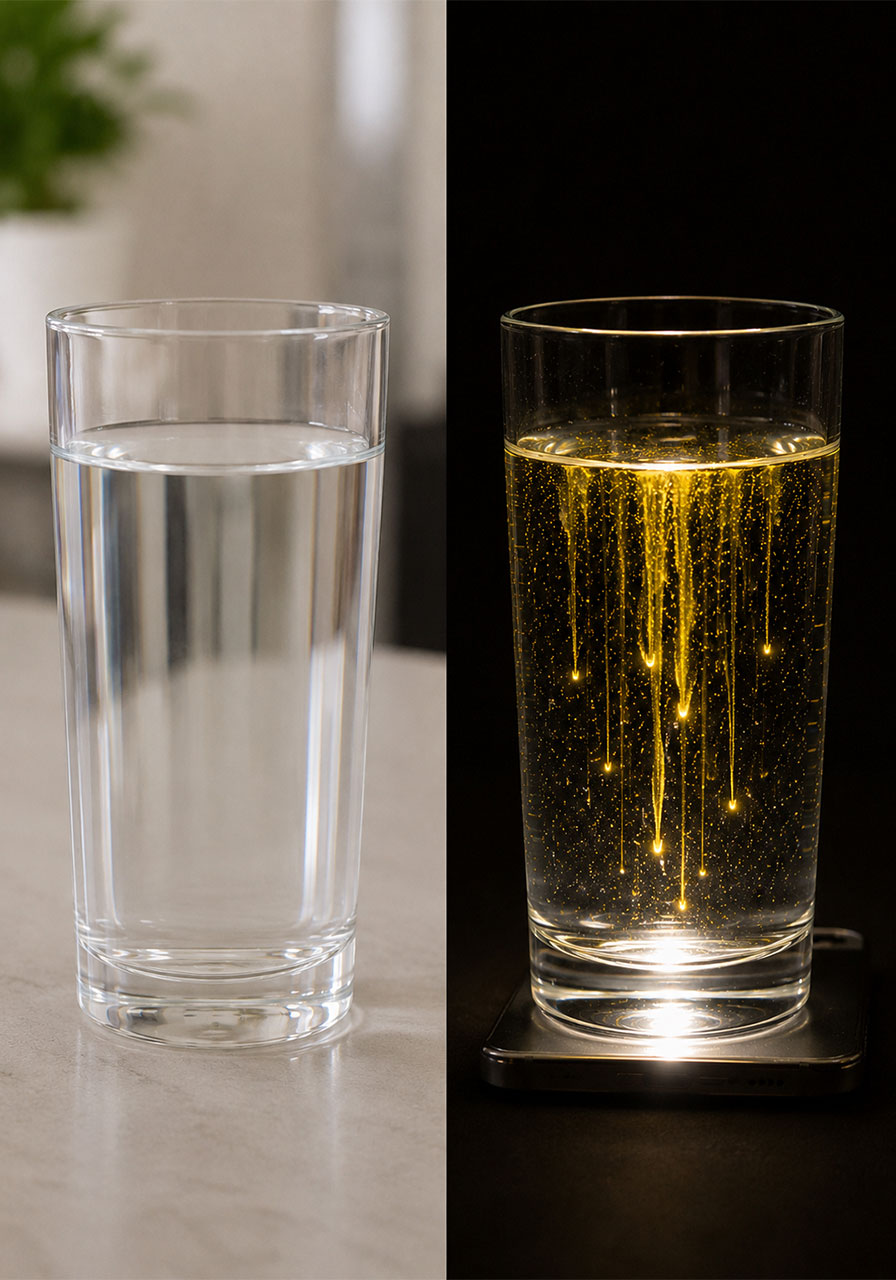
Fill your glass with water and place it directly on top of a flashlight or a phone with the torch turned on. Dim the room if you can. The darker the room, the more dramatic the effect.
Step 4: Drop and watch.
Slowly sprinkle the vitamin B powder from the spoon into the glass of water. Watch closely. Within seconds, glowing golden streaks will begin drifting down from the surface to the bottom of the glass, just like a meteor shower falling through the night sky.
A quick word of caution: add the powder a little at a time. Dumping in too much at once creates a cloudy mess instead of those clean, glowing streaks. Slow and steady gives you the best show.
The Science Behind the Glow
Here’s where the real magic happens, and where this activity earns its place in any legitimate STEM lesson plan.
Vitamin B2, also known as riboflavin, is naturally fluorescent. That means it absorbs light at one wavelength and re-emits it at another, which is why it glows so brightly under a light source even though the room around it stays dark. This is the exact same scientific principle behind glow-in-the-dark stickers and the highlighter marker sitting in your desk drawer.
The second half of the science lesson is all about density. The crushed riboflavin powder is denser than water, meaning it’s heavier for its size. Because of this, the powder doesn’t dissolve instantly or float on top. Instead, it sinks slowly, drifting downward in delicate trails as it dissolves along the way. That slow, graceful sinking motion is exactly what creates the meteor shower effect.
Put those two concepts together, fluorescence and density, and you’ve got a two-for-one science lesson disguised as a light show.
Turning This Into a Full Lesson Plan
If you’re a teacher, this experiment is easy to stretch into a full 20 to 30 minute lesson. Start by asking students to predict what will happen when the powder hits the water. Will it float? Sink? Disappear? Writing down predictions before the experiment is a simple way to build scientific thinking habits early.
After the demonstration, ask students to describe what they observed in their own words. Then introduce the vocabulary: fluorescence, density, dissolve, wavelength. Kids remember science vocabulary far better when they’ve just watched a real example of it happening in front of them.
For older students, you can turn this into a real experiment by testing variables. Does warm water change how fast the powder sinks? Does more powder create a brighter glow, or just a cloudier one? Does the color of the light source change the effect? Small tweaks like these turn a fun demo into genuine hands-on inquiry.
Pro Tips for the Best Results
Use a completely dark room if possible. The contrast between the dark background and the glowing powder is what makes this experiment look truly spectacular.
A clear glass works better than a colored or frosted one. You want the light to shine straight through without any obstruction.
If your flashlight isn’t bright enough, try a phone torch set to full brightness. Phone flashlights tend to produce a cleaner, more concentrated beam that makes the glow pop even more.
Crush the tablet as finely as possible. A finer powder creates thinner, more delicate glowing streaks, which look more like an actual meteor shower than a big yellow cloud.
Fun Variations to Try
Once your kids have mastered the basic version, try switching things up. Use a taller, narrower glass or vase to give the “meteors” more distance to travel, creating a longer, more dramatic falling effect.
Try colored lights instead of a plain white flashlight. Shining a blue or purple light through the glass can shift how the glow appears, giving you a chance to talk about how different wavelengths of light interact with fluorescent materials.
For a classroom version, set up several glasses at different stations, each with a different amount of powder, and let students compare the results side by side.
Is It Safe?
Yes, with normal supervision. Vitamin B tablets are a common, food-grade supplement, so there’s no toxic chemical involved. That said, kids shouldn’t drink the water afterward since it’s no longer intended for consumption, and younger children should have an adult handle the crushing step, since tablets can occasionally have hard edges. Beyond that, this is one of the lowest-risk science experiments you’ll find, which is exactly why it’s such a popular choice for classrooms and homes with younger kids.
Why This Activity Sticks With Kids
The best STEM activities aren’t the ones with the most steps or the fanciest equipment. They’re the ones kids remember and want to repeat. A glowing meteor shower that appears out of a simple glass of water hits that mark perfectly. It’s visual, it’s a little bit magical, and it’s simple enough that kids can recreate it themselves once they’ve seen it done.
That combination, wonder plus repeatability, is exactly what turns a one-time demo into a genuine love of science. And really, that’s the whole point. With a glass of water, a vitamin tablet, and a dark room, you’ve got everything you need to turn an ordinary afternoon into a small taste of heaven in a glass.