
Ready to transform everyday household items into toddler gold? These brilliantly simple fine motor activities are about to become your secret weapon for rainy days, quiet time, or any moment when your little one needs to burn some energy while building those crucial hand muscles. Best part? You probably already have everything you need sitting in your kitchen drawers right now.
Fine motor skills are the unsung heroes of childhood development. They’re what help your toddler eventually hold a pencil, button their own shirt, and tie their shoes without your help. But here’s the thing: building these skills doesn’t require fancy toys or expensive kits. All you need is a little creativity and some everyday objects. Let’s dive in!
1. Rubber Band Wrap Challenge
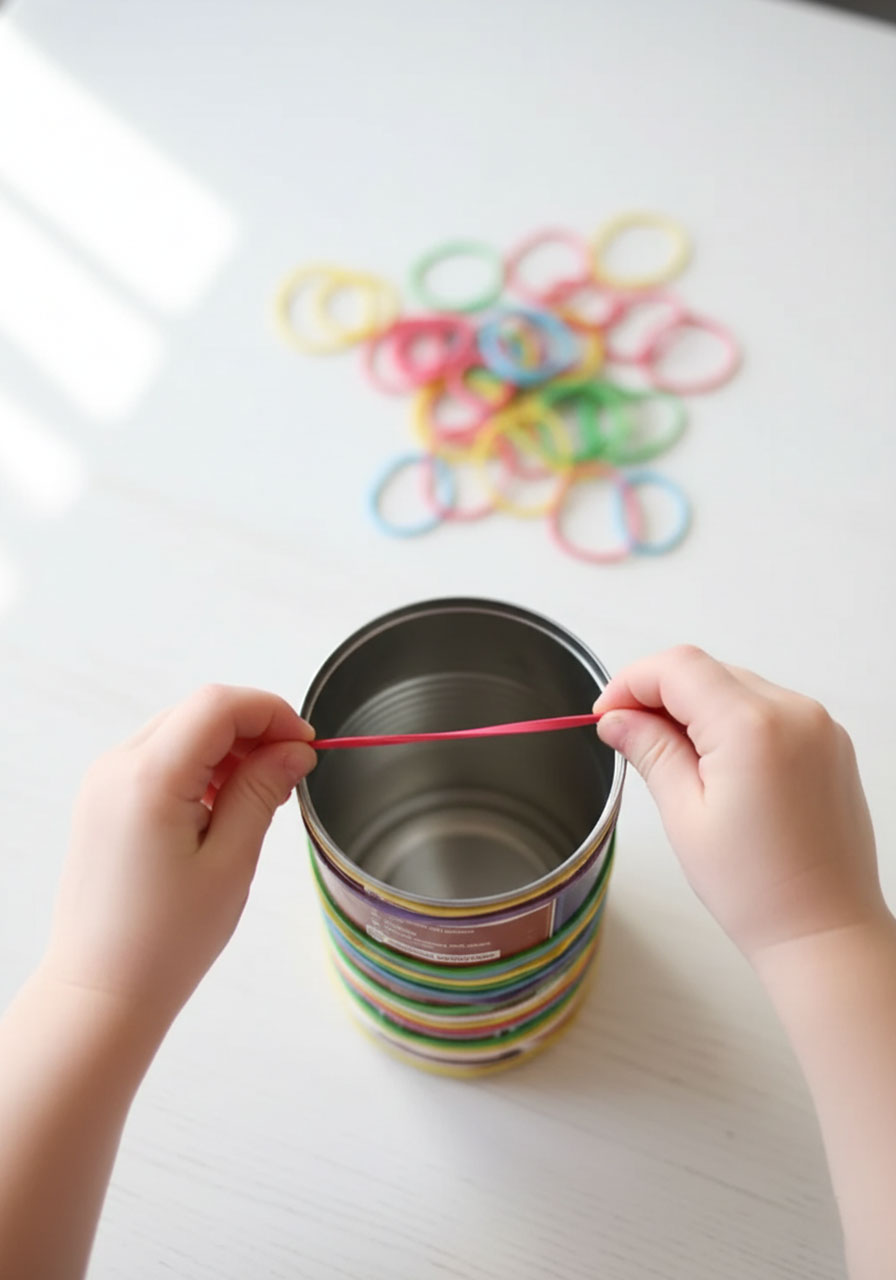
This is hands-down one of the most addictive activities you can set up in under 30 seconds. Watch your toddler’s face light up as they discover they can wrap colorful rubber bands around a can – over and over and over again.
Best for: Toddlers 18 months+, individual play, building hand strength
Time to Play: 15-30 minutes (seriously, they’ll be mesmerized)
What You’ll Need:
An empty can (soup cans, coffee cans – anything smooth-sided works)
A pile of colorful rubber bands (various sizes make it more interesting)
How to Set Up:
1. Remove any sharp edges from your can and make sure it’s clean and dry.
2. Show your toddler how to stretch a rubber band and slip it over the can.
3. Step back and watch the magic happen as they figure out how to wrap the entire thing!
Pro Tip: Start with larger, looser rubber bands for beginners, then gradually introduce smaller ones as their skills improve. The stretching motion is fantastic for strengthening those tiny hand muscles!
2. Colander and Straw Threading
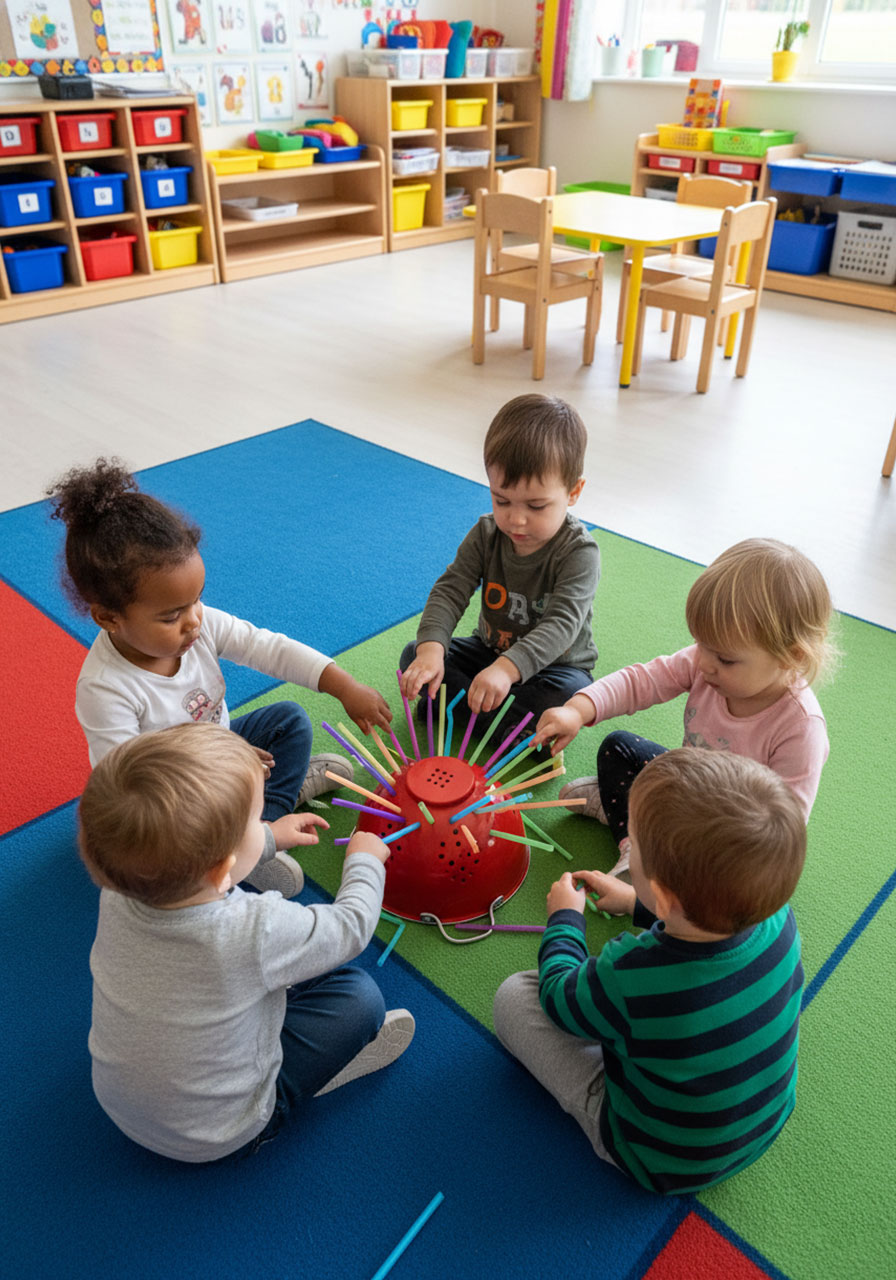
Talk about genius in its simplicity! This activity looks like a funky art project but secretly packs a serious fine motor punch. Your toddler will love turning an ordinary kitchen colander into a colorful spiky masterpiece.
Best for: Toddlers 15 months+, hand-eye coordination, focus building
Time to Play: 20-30 minutes
What You’ll Need:
A plastic or metal colander
A bundle of colorful drinking straws (cut them in half for extra challenge)
How to Set Up:
1. Place the colander upside down on a flat surface.
2. Show your toddler how to poke straws through the holes from underneath.
3. Let them go wild creating their own straw sculpture!
Pro Tip: Use different colored straws and call out colors to sneak in some color recognition practice. “Can you find a red straw?” turns this into a double learning opportunity!
3. Scoop and Transfer Station
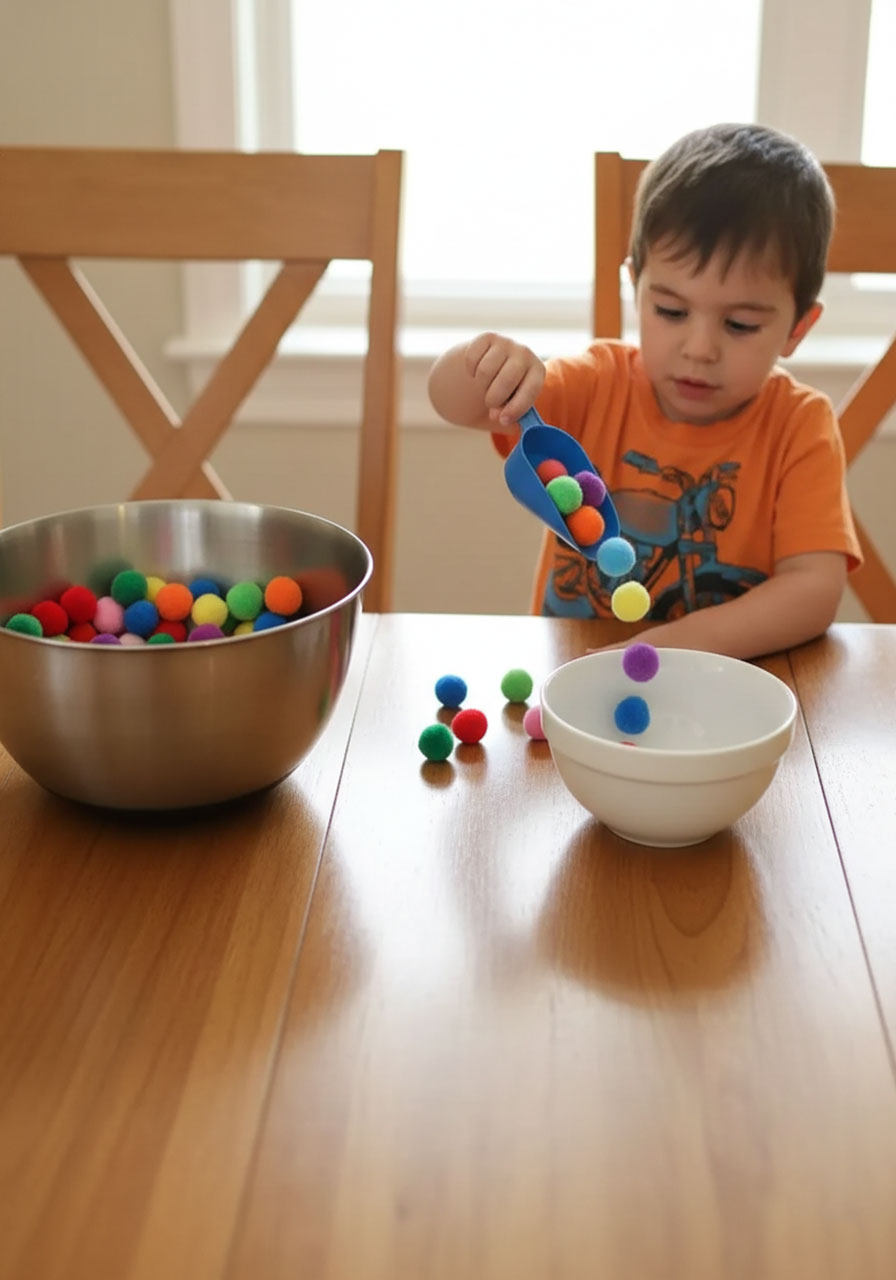
Here’s a little secret: toddlers are obsessed with pouring things from one container to another. Set up this simple activity and you’ve just bought yourself at least 20 minutes of focused play time.
Best for: Toddlers 18 months+, sensory exploration, concentration
Time to Play: 20-40 minutes
What You’ll Need:
Two bowls or containers
A small scoop, measuring cup, or toddler-sized spoon
Items to scoop: pom poms, dried beans, rice, small toy balls, or colored pasta
How to Set Up:
1. Fill one bowl with your chosen items.
2. Place the empty bowl next to it.
3. Give your toddler the scoop and demonstrate transferring items from one bowl to the other.
4. Let them practice scooping, pouring, and transferring to their heart’s content!
Safety Note: Always supervise when using small items that could be choking hazards.
Pro Tip: Once they master this, level up by placing the bowls farther apart or using a smaller scoop for an extra challenge!
4. Spaghetti Playdough Forest
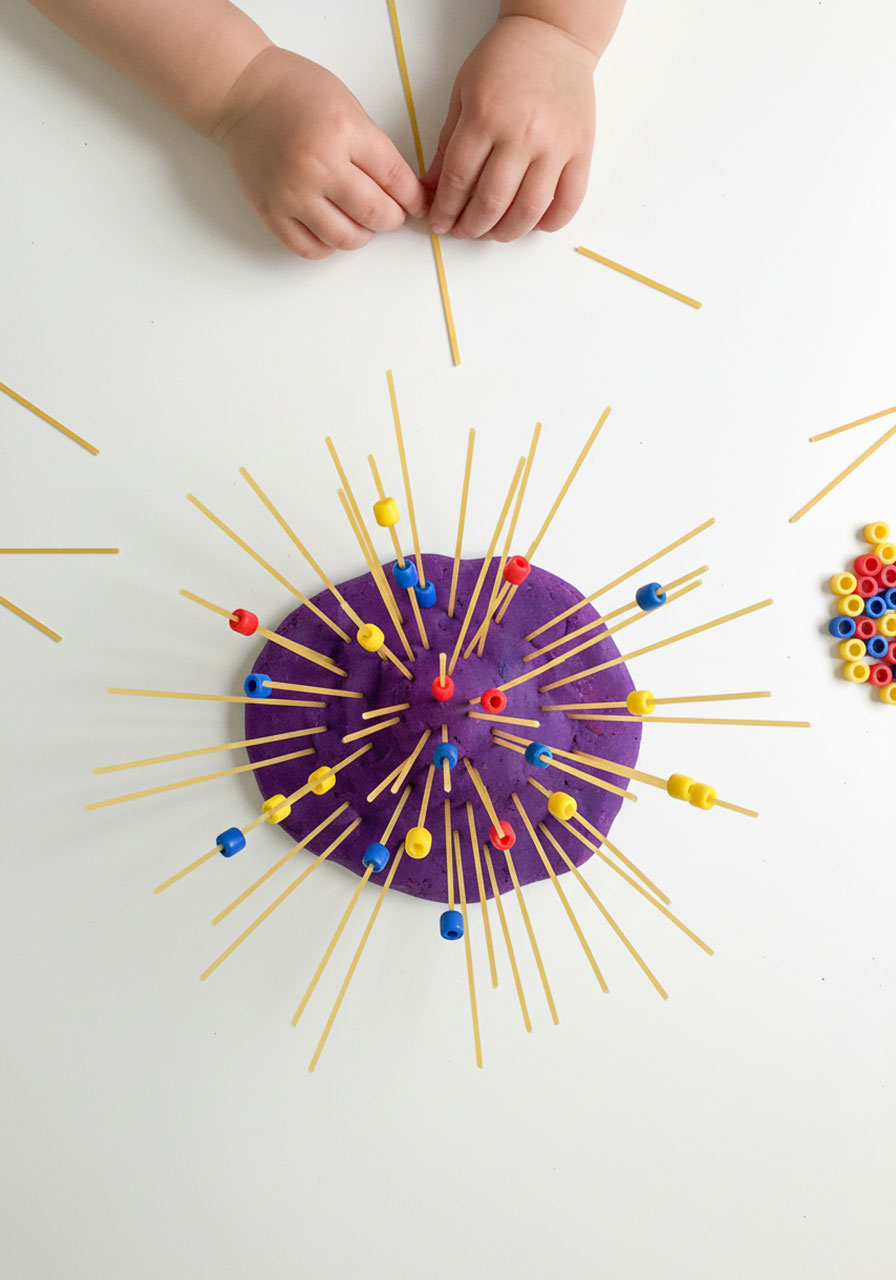
This one’s a total winner because it combines two toddler favorites: playdough and poking things! The result? A whimsical “forest” made of spaghetti that’ll keep little hands busy and engaged.
Best for: Toddlers 18 months+, creativity, strengthening pincer grasp
Time to Play: 25-40 minutes
What You’ll Need:
Playdough (homemade or store-bought)
Uncooked spaghetti noodles (broken into various lengths)
Optional: beads, cheerios, or small pasta shapes to thread onto the spaghetti
How to Set Up:
1. Give your toddler a ball of playdough and show them how to flatten it into a base.
2. Demonstrate how to stick spaghetti noodles upright into the playdough.
3. Watch as they create their own spiky sculpture or “forest!”
4. For advanced fun, help them thread beads or pasta onto the standing spaghetti.
Pro Tip: This is an incredible pincer grasp workout! The motion of picking up and precisely placing those thin spaghetti noodles is exactly what their little fingers need to prepare for writing later on.
5. Toothpick Drop Challenge
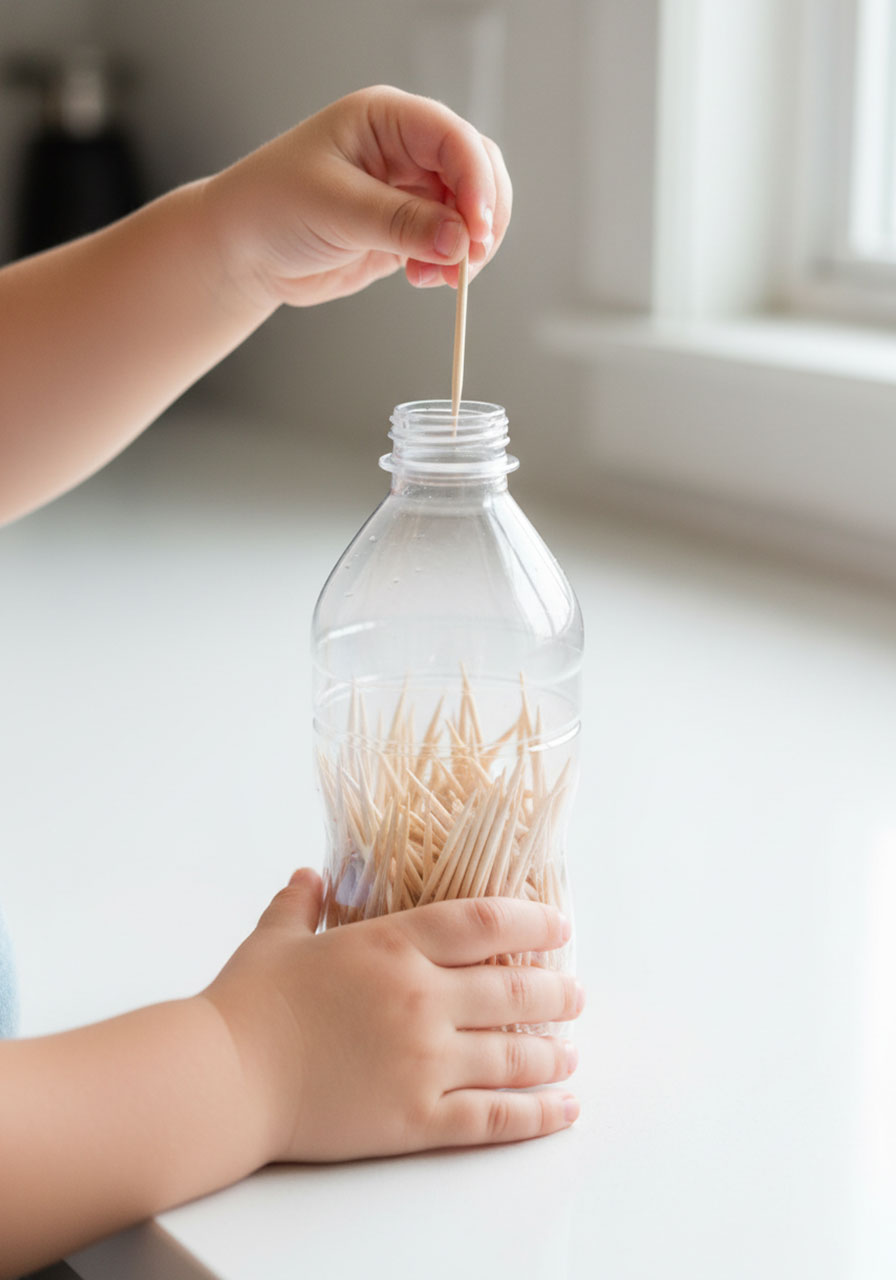
Warning: this activity is strangely satisfying for adults too. There’s something mesmerizing about watching toothpicks drop one by one into a narrow bottle opening. Your toddler will be completely focused as they master this precision challenge.
Best for: Toddlers 2 years+, concentration, hand-eye coordination
Time to Play: 15-25 minutes
What You’ll Need:
An empty water bottle with a narrow opening
A container of toothpicks (blunt-ended are safer)
How to Set Up:
1. Show your toddler how to hold a toothpick and carefully drop it through the bottle opening.
2. Count each toothpick as it drops to sneak in some number practice!
3. When the bottle is full, dump them out and start again.
Pro Tip: Make it a game by timing how long it takes to fill the bottle, or see who can drop in the most toothpicks without missing. Just be sure to supervise closely – toothpicks are pointy!
6. Elastic Hair Band Tube Challenge
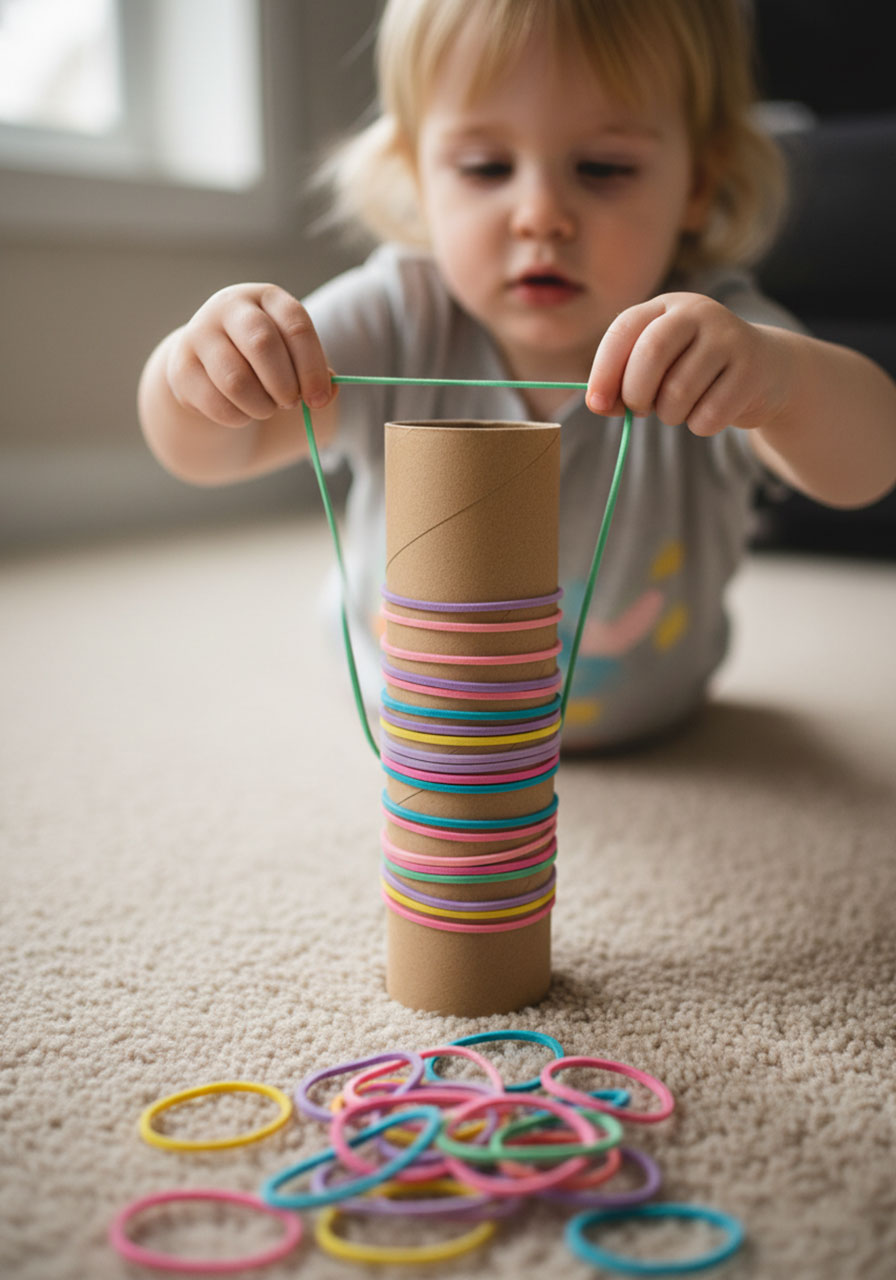
Here’s an activity that’s trickier than it looks – in the best way possible! The challenge of sliding elastic hair bands onto a cardboard tube without crushing it will keep your toddler engaged and thinking.
Best for: Toddlers 2 years+, gentle hand control, problem-solving
Time to Play: 20-30 minutes
What You’ll Need:
A cardboard tube (paper towel or wrapping paper tubes work great)
Colorful elastic hair bands of various sizes
How to Set Up:
1. Show your toddler how to stretch an elastic band and slide it onto the tube.
2. Explain the challenge: don’t crush the tube!
3. Watch them develop gentle hand control as they carefully slide bands on and off.
Pro Tip: Once they’ve mastered this, try having them slide the bands off one end and onto a second tube. It adds a whole new level of coordination!
7. Kitchen Tongs Pick-Up Game
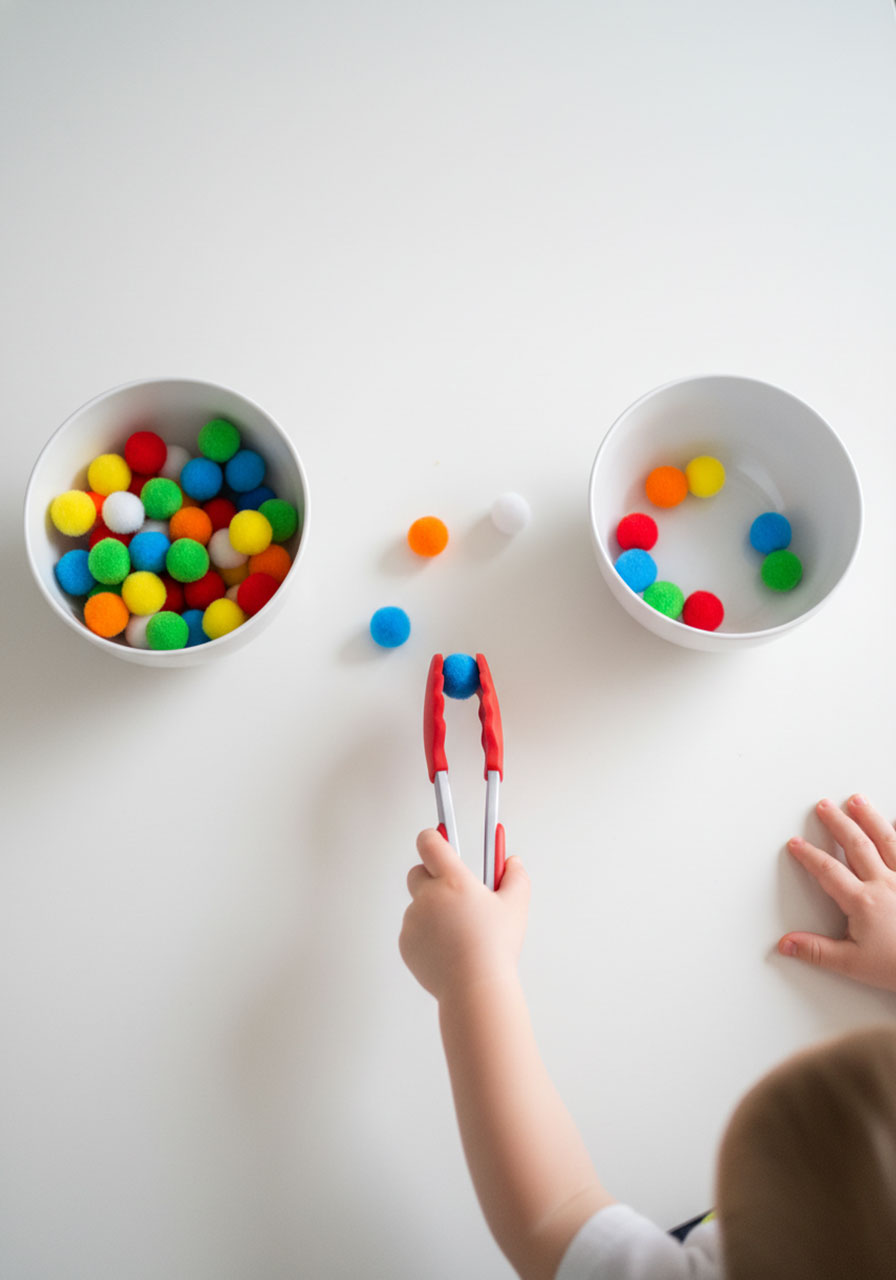
Transform a simple pair of kitchen tongs into the ultimate toddler challenge tool! Using tongs requires serious hand strength and coordination – skills that’ll serve them well when they’re learning to use scissors and pencils later.
Best for: Toddlers 2 years+, hand strength, bilateral coordination
Time to Play: 20-35 minutes
What You’ll Need:
Child-sized kitchen tongs (or regular tongs for bigger kids)
Items to pick up: pom poms, cotton balls, small toy animals, blocks, or crumpled paper balls
Two bowls or containers
How to Set Up:
1. Fill one bowl with your chosen objects.
2. Give your toddler the tongs and show them how to squeeze, grab, and transfer items to the empty bowl.
3. Make it a game by timing them or counting how many items they can transfer!
Pro Tip: Start with larger, easier-to-grab items like pom poms or cotton balls. As they get stronger, challenge them with smaller objects like beads or dried beans.
8. Tongs Painting Adventure
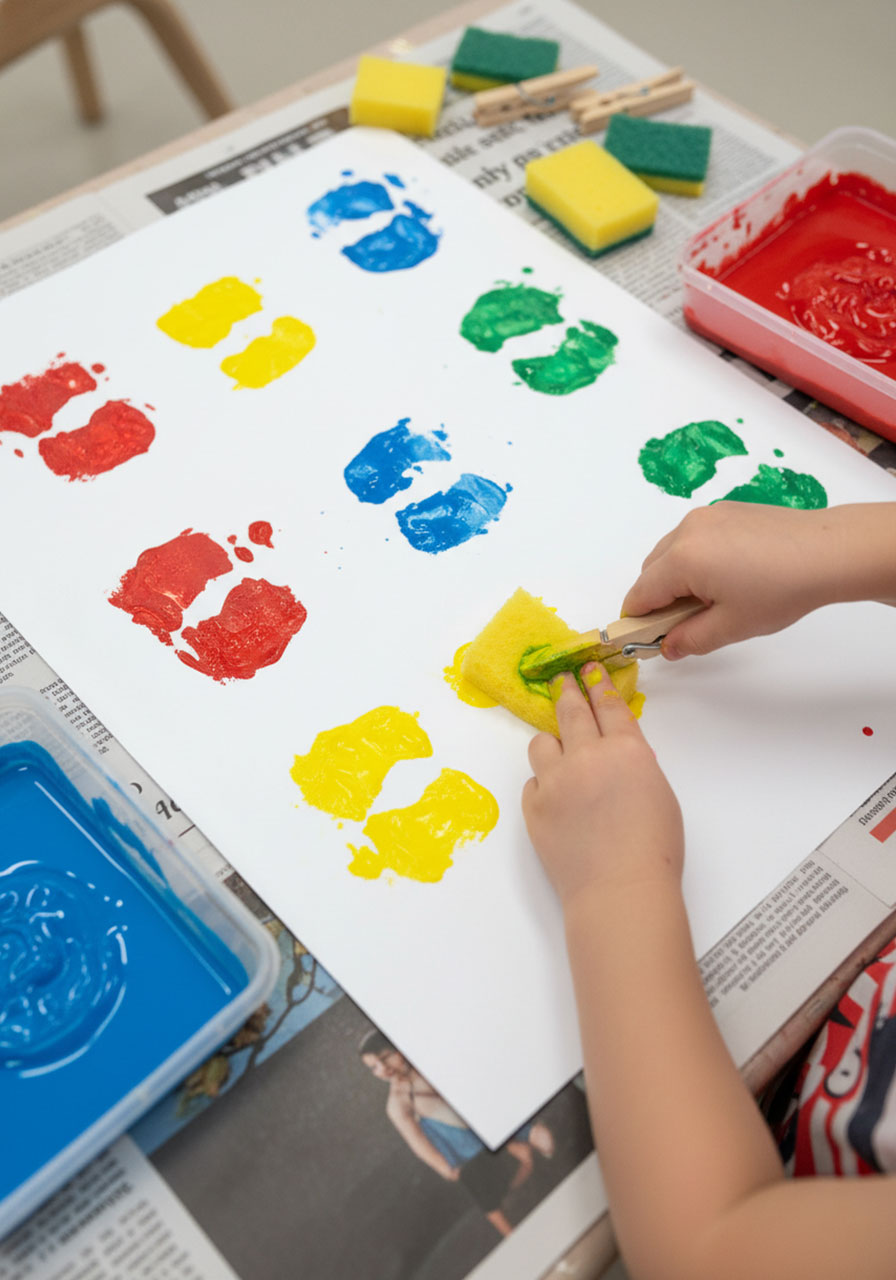
Who says you need a paintbrush? This creative twist on painting is not only super fun, it’s also a sneaky way to build hand strength while making art. Your toddler will love the unique textures and patterns they can create!
Best for: Toddlers 2.5 years+, creativity, hand strengthening
Time to Play: 30-45 minutes
What You’ll Need:
Kitchen tongs or clothespins
Various painting tools: sponges, cotton balls, pom poms, or crumpled paper
Washable paint in different colors
Large paper or canvas
A shallow tray for paint
How to Set Up:
1. Pour small amounts of paint into shallow trays.
2. Show your toddler how to grip a sponge or cotton ball with the tongs.
3. Dip the tool in paint and press onto paper to create unique prints and patterns.
4. Let their creativity flow as they experiment with different tools and colors!
Pro Tip: This is fantastic for grip strength! The continuous squeezing motion is exactly what they need to develop those muscles. Plus, the art they create is actually frame-worthy!
9. Bead Stringing Creation Station
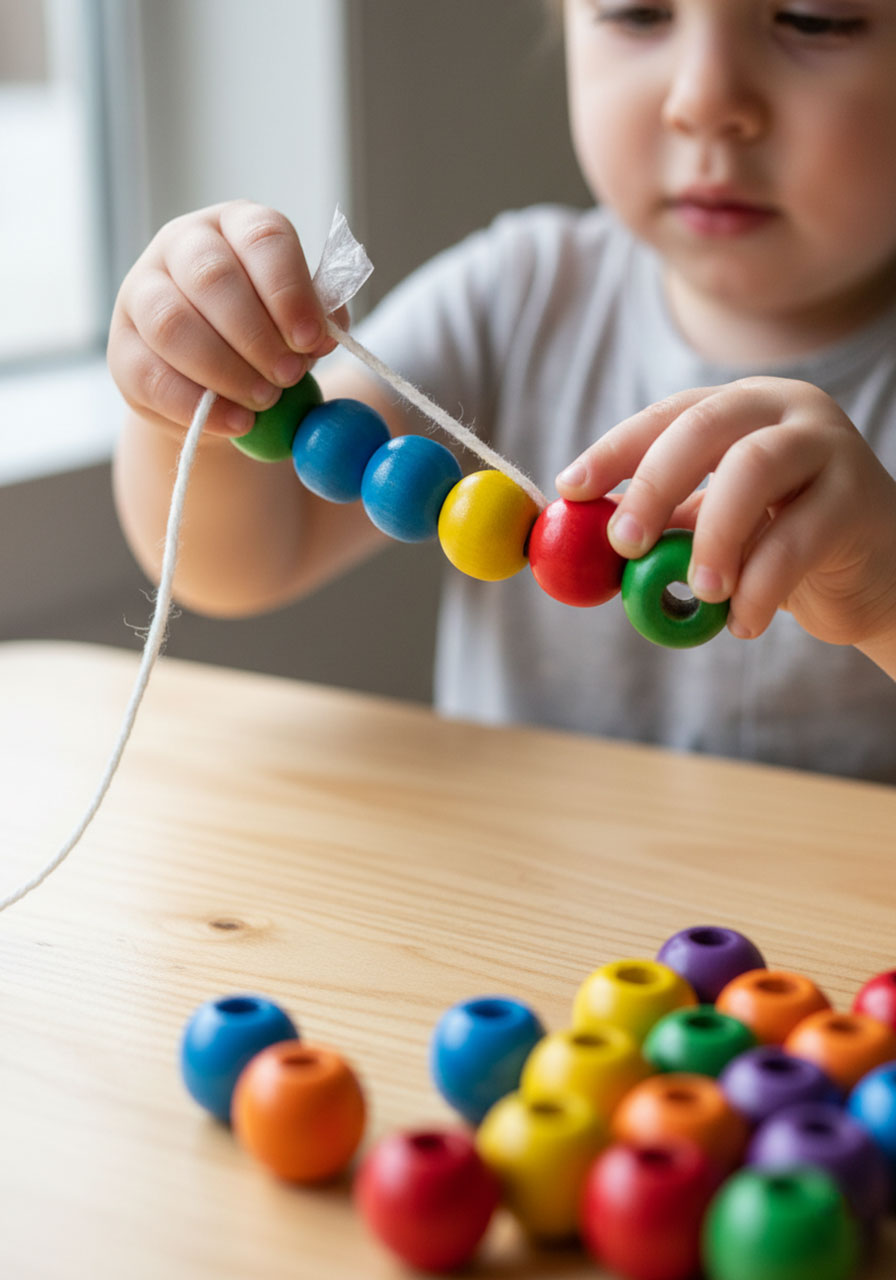
This classic activity never gets old because it’s endlessly customizable and incredibly satisfying. There’s something magical about seeing a plain string transform into a colorful beaded masterpiece – and your toddler will feel so proud!
Best for: Toddlers 2.5 years+, patience, pincer grasp refinement
Time to Play: 25-45 minutes
What You’ll Need:
Large beads with big holes (wooden beads are perfect)
Thick string, yarn, or pipe cleaners (stiffen the end with tape for easier threading)
Optional: pasta with holes, cheerios, or cut straws
How to Set Up:
1. Tie a large bead or knot at one end of the string to act as a stopper.
2. Show your toddler how to hold the string and thread beads onto it one by one.
3. Let them create patterns or random designs – both are great for motor skills!
4. When they’re done, tie off the end to create a necklace, bracelet, or decoration.
Pro Tip: Call out colors or patterns for them to follow: “Can you find two red beads, then a blue one?” This sneaks in pattern recognition and color learning!
10. Clip Art Painting
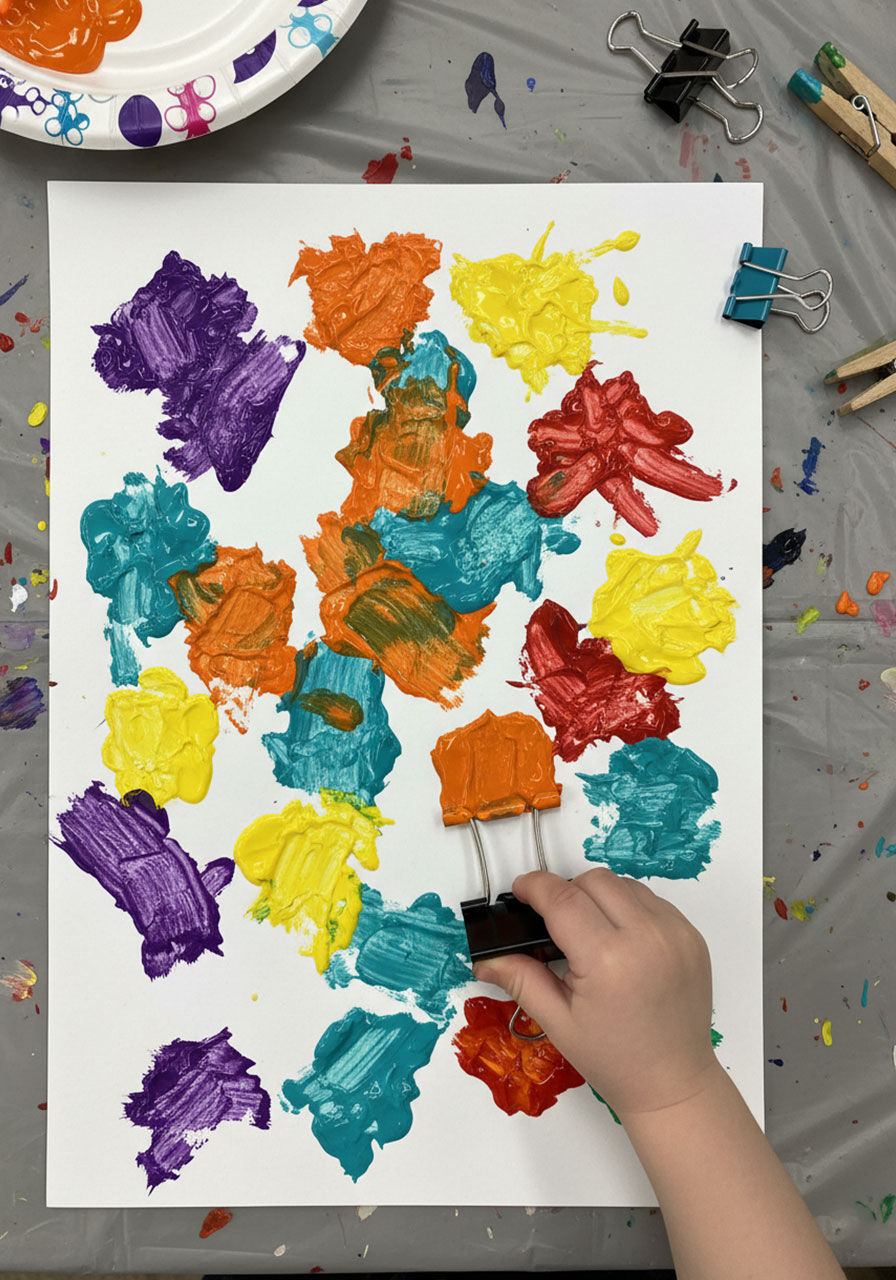
Get ready for some seriously cool abstract art! Using binder clips, chip clips, or clothespins as painting tools creates amazing textures and patterns that you simply can’t achieve with a regular brush. Your toddler will be fascinated by the unique marks they can make.
Best for: Toddlers 2.5 years+, creativity, grip strength
Time to Play: 30-45 minutes
What You’ll Need:
Various clips: binder clips, chip clips, clothespins
Washable paint in multiple colors
Large paper or cardboard
Paint trays or paper plates
How to Set Up:
1. Squeeze a bit of paint onto paper plates or into shallow trays.
2. Show your toddler how to open a clip and dip one end into the paint.
3. Press the painted clip onto paper to make prints, or drag it to create lines and patterns.
4. Experiment with different sized clips for various effects!
Pro Tip: The squeezing motion required to open and close clips is phenomenal for hand strengthening. They’re basically working out their hand muscles while creating art – it’s a total win-win!
11. Ice Excavation Treasure Hunt

Here’s the grand finale that’ll absolutely wow your toddler: a frozen treasure hunt that combines fine motor practice with sensory play and the thrill of discovery. This activity is pure magic!
Best for: Toddlers 2 years+, problem-solving, tool use, sensory exploration
Time to Play: 30-60 minutes (they’ll be GLUED to this)
What You’ll Need:
A large container or baking dish
Small toys, plastic animals, or colorful pompoms
Water
Freezer
“Excavation tools”: plastic spoons, spray bottles with warm water, small hammers, droppers, or plastic knives
How to Set Up:
1. Place toys and treasures in your container.
2. Fill with water and freeze overnight (add food coloring for extra wow factor!).
3. When frozen solid, remove the ice block and place it in a tray or bin.
4. Give your toddler their “tools” and let them work to free the treasures!
5. Show them how squirting warm water helps melt the ice faster.
Why This Is Amazing: This activity hits every developmental sweet spot. Your toddler uses:
- Pincer grasp to hold droppers and spray bottles
- Hand strength to chip away at ice with tools
- Problem-solving to figure out which tool works best
- Patience and persistence as they work toward their goal
- Hand-eye coordination to aim water and tools precisely
Pro Tip: Do this outside on a hot day or in the bathtub for easy cleanup. The melting ice adds a sensory element that toddlers absolutely love, and the excitement of discovering each frozen treasure keeps them engaged way longer than typical activities!
Why These Activities Matter
Here’s the beautiful truth about fine motor development: your toddler doesn’t need expensive educational toys to build the skills they’ll use for the rest of their life. These simple activities using household items are doing some serious developmental heavy lifting. Every time they pinch, grasp, squeeze, or thread, they’re strengthening the tiny muscles in their hands and fingers – the same muscles they’ll eventually use to write, button shirts, tie shoes, and so much more.
The best part? They think they’re just playing and having fun. You know they’re building crucial skills. That’s what we call a parenting win!
Quick Setup Tip: Keep a “fine motor bin” stocked with items like rubber bands, clothespins, tongs, beads, and pipe cleaners. When you need a quick activity, you’ll have everything ready to go!
With these 11 activities in your arsenal, you’re ready to keep those little hands busy, strong, and developing exactly as they should – one fun activity at a time. Now go forth and let the fine motor fun begin!
More Kid’s Party Ideas to Keep the Fun Rolling:
Sticker Lines: The Ridiculously Simple Activity That Keeps Kids Busy for Hours
101+ Fun Questions To Ask Kids That’ll Get Them Talking (FREE Printable!)
15+ Brilliant Games You Can Play With UNO Cards (Way Beyond the Rules!)
Cup Stacking Tower Challenge: The Epic Building Game That’ll Keep Kids Busy for Hours
Build a LEGO Slingshot Car: The Epic Racing Activity Your Kids Will Beg to Do Again
Muffin Tin Coin Counting Activity: The Sneakily Brilliant Math Game Kids Actually Want to Play
Matching Pairs: The Toddler Activity That’s Equal Parts Learning and Fun
The Paper Plate Phone Game: A Genius Hands-On Way to Teach Kids Their Phone Number
